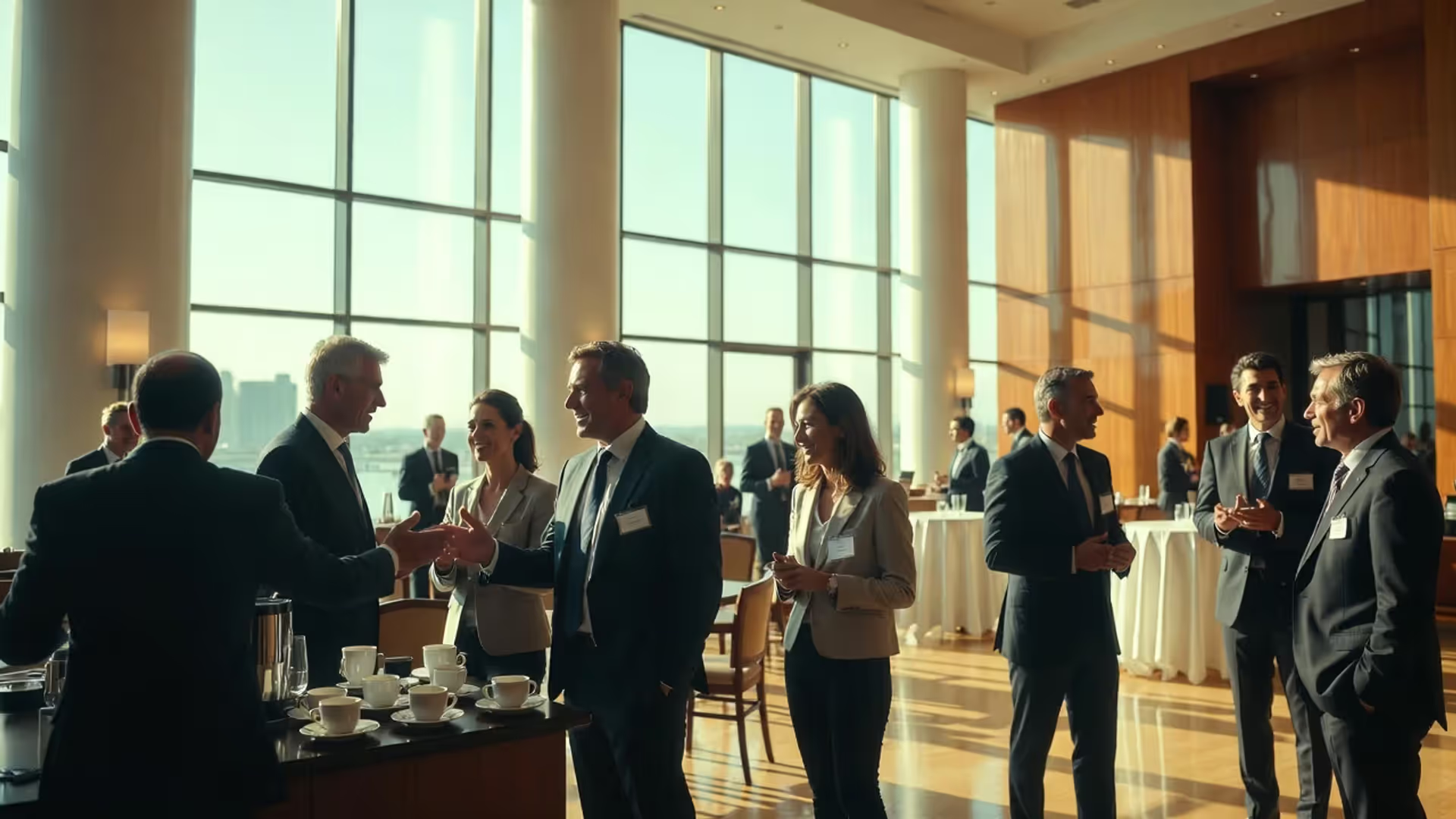

Essential Steps for Planning a Successful Corporate Event
How to Plan Corporate Event for Successful Business?

Content
Corporate events are more than just gatherings; they are strategic opportunities for organizations to connect with stakeholders, showcase their brand, and achieve key business objectives that can have lasting impacts on company culture, market positioning, and business relationships. Whether you're planning a large-scale conference that brings together industry leaders from around the world, an intimate workshop designed to upskill your team, a high-stakes product launch that will define your company's direction for the coming year, or a team-building retreat aimed at strengthening internal relationships and boosting morale, meticulous planning is the cornerstone of success. From defining objectives to executing a seamless experience, every detail matters in crafting an event that leaves a lasting impression on attendees, generates positive word-of-mouth, and delivers measurable returns on the significant investment of time, money, and resources that major corporate events require.
This comprehensive guide walks you through the essential steps for planning a successful corporate event, with actionable insights and strategies to ensure that your event achieves its goals while fostering meaningful connections among participants. By following these proven approaches and adapting them to your specific context, you can transform the daunting task of event planning into a manageable, even enjoyable process that culminates in an event that exceeds expectations and sets new standards for what your organization can achieve through strategic gatherings.
Defining the Purpose and Objectives of the Event
The foundation of any successful corporate event lies in a clearly defined purpose and set of objectives that guide every decision from venue selection to catering choices. What do you hope to achieve with this event? This seemingly simple question deserves serious consideration and discussion among stakeholders, as unclear or conflicting objectives are among the most common causes of event failures. Whether it's boosting employee morale during challenging times, launching a new product that represents a significant strategic pivot for your company, fostering industry partnerships that could lead to collaborative opportunities, or celebrating organizational milestones that deserve recognition, having a focused goal will guide every aspect of your planning process and provide a touchstone for making the countless decisions that event planning demands.
Start by identifying your primary objectives with as much specificity as possible, avoiding vague aspirations in favor of concrete, actionable goals. For example, rather than simply wanting to "improve employee engagement," specify that you want to "strengthen cross-departmental relationships among mid-level managers" or "introduce new team members to company culture and values." Common objectives for corporate events include creating networking opportunities that facilitate meaningful interactions among attendees, clients, or industry leaders, potentially leading to business development opportunities, partnerships, or collaborative projects. Knowledge sharing represents another primary objective for many events, providing valuable insights through keynote speeches from thought leaders, hands-on workshops that develop specific skills, or panel discussions that explore complex issues from multiple perspectives. Brand promotion events showcase your organization's values, products, or services to key audiences, whether that's potential customers, industry analysts, or the broader public. Team building events strengthen relationships among employees through collaborative activities, shared experiences, and informal interactions that break down silos and build trust across organizational boundaries.
Once your objectives are established, define key performance indicators (KPIs) to measure success in quantifiable terms that allow you to evaluate whether your event achieved its intended outcomes. These might include attendance rates compared to registration numbers and historical benchmarks, engagement metrics such as session participation rates, questions asked during Q&A periods, or time spent in networking areas, post-event survey responses that capture attendee satisfaction and perceived value, social media mentions and sentiment analysis that reveal how your event is being discussed publicly, lead generation numbers for business development-focused events, or specific business outcomes like contracts signed, partnerships initiated, or sales pipeline value generated. With clear goals and metrics in place, you can create a roadmap that ensures your event's purpose is realized and provides concrete evidence of return on investment to justify the resources committed to the event.
Beyond the primary objectives, consider secondary goals that might not be immediately obvious but can add significant value. For instance, corporate events provide excellent opportunities for employer branding, showcasing your company culture to potential recruits or demonstrating thought leadership in your industry. They can serve as content generation opportunities, with recorded sessions, interviews, or behind-the-scenes footage providing material for months of marketing content. Events can also function as testing grounds for new ideas, formats, or technologies that you might deploy more broadly if successful. Thinking holistically about what your event can accomplish helps you design experiences that deliver value on multiple levels and justify the investment required for high-quality corporate events.
Creating a Comprehensive Budget
A well-planned budget is critical to the success of any corporate event, serving not just as a financial constraint but as a strategic tool that helps you allocate resources to the areas that will have the greatest impact on achieving your objectives. Start by outlining all potential expenses with as much detail as possible, including obvious costs like venue rental fees, catering expenses for meals and refreshments, transportation and accommodation for speakers or out-of-town attendees, technology needs ranging from audio-visual equipment to event management software, marketing and promotional expenses across various channels, speaker fees and travel expenses, insurance coverage for liability and cancellation, staffing costs for event management and on-site support, and design and production expenses for signage, printed materials, and branded elements. Categorize these costs into fixed expenses that won't change regardless of attendance numbers, such as venue rental or speaker fees, and variable expenses that scale with attendance, such as catering or materials costs, to better understand where adjustments can be made if necessary without compromising the event's core elements.
Allocate a portion of your budget—typically ten to fifteen percent—to unexpected costs or contingencies, recognizing that even the most carefully planned events encounter surprises. It's not uncommon for last-minute changes to arise, such as additional attendees requiring more catering and materials, equipment failures necessitating emergency rentals or replacements, weather-related adjustments forcing indoor backup plans or additional climate control, enhanced security needs based on attendance levels or attendee profiles, or opportunities to enhance the event with elements that weren't originally planned but would add significant value. By planning for the unexpected, you can avoid financial strain and ensure smooth execution even when circumstances change in ways you couldn't have anticipated.
Modern event management tools from providers like Cvent and Eventbrite can help track expenses and maintain transparency throughout the planning process, providing real-time visibility into spending against budget, flagging when categories are approaching their limits, and generating reports for stakeholders. Regularly reviewing and updating your budget ensures that your resources are allocated efficiently and that you stay within financial constraints while maintaining the quality and impact necessary for success. Consider implementing approval workflows for expenditures above certain thresholds, ensuring that significant spending decisions receive appropriate oversight while allowing event planners autonomy for routine purchases that keep the planning process moving efficiently.
Budget creation should also involve identifying potential revenue streams or cost-sharing opportunities that can offset expenses and expand what's possible within your financial constraints. Sponsorships from vendors, partners, or industry organizations can provide significant funding while adding value for attendees through product demonstrations, expertise sharing, or giveaways. Ticket sales or registration fees, even modest ones, can generate revenue while also increasing attendee commitment and reducing no-shows. In-kind contributions such as donated venues, equipment, or services can substantially reduce cash outlays. Thinking creatively about funding sources allows you to deliver higher-quality events than your base budget might suggest possible while building relationships with sponsors and partners who gain visibility and association with your event's success.
Selecting the Perfect Venue
The venue is one of the most significant factors in creating the right atmosphere for your event, influencing everything from attendee first impressions to the practical ease of executing your agenda. It should align with your objectives, accommodate your guest list comfortably, and reflect your brand's image and values in ways that reinforce your organizational identity. Consider multiple factors when choosing a venue, starting with capacity—ensuring the space can comfortably accommodate your attendees while leaving adequate room for movement between sessions, networking activities, food and beverage stations, and any experiential elements or exhibitor booths you plan to include. Overcrowded spaces create discomfort and safety concerns, while venues that are too large can make events feel poorly attended and undermine the energy that drives engagement and networking.
Location represents another critical consideration, requiring you to choose a convenient location that is easily accessible for both local and out-of-town participants, taking into account proximity to transportation hubs like airports, train stations, and major highways, availability of parking or public transit options, and the surrounding area's safety, attractiveness, and amenities. Proximity to quality accommodations is a key consideration for multi-day events or when significant numbers of attendees are traveling from other cities, as the convenience of staying near the venue enhances the overall experience and increases the likelihood that attendees will participate in evening networking or social events. Consider also the venue's reputation and associations—hosting your event at a prestigious or well-known venue can enhance perceptions of your event's importance and quality, while venues with negative associations or poor reputations can undermine your objectives before attendees even arrive.
Amenities and infrastructure deserve careful evaluation, as the venue's built-in capabilities can significantly impact both your budget and the event's technical execution. Look for venues with essential amenities such as professional-quality audio-visual equipment with appropriate screen sizes and sound systems for your space, reliable high-speed Wi-Fi capable of handling hundreds of simultaneous users without degradation, breakout rooms or flexible spaces that can accommodate concurrent sessions or small group discussions, adequate restroom facilities appropriate for your expected attendance, climate control systems that can maintain comfortable temperatures even in fully occupied spaces, and loading docks or freight elevators for equipment delivery and setup. The ambiance and aesthetic characteristics of the venue should complement your event's theme and objectives, with the venue's architectural style, decor, lighting, and overall atmosphere contributing to the experience you want to create. A creative industry event might thrive in an industrial loft space with exposed brick and artistic touches, while a formal business conference might be better suited to a traditional hotel ballroom or corporate conference center with professional furnishings and classic design elements.
Conduct site visits to your top venue candidates, ideally during events similar to yours to observe how the space functions under realistic conditions, and request detailed proposals from prospective venues that outline costs, included services, restrictions or requirements, and available dates. This allows you to compare options systematically and make an informed decision based on your needs, budget, and objectives. During site visits, pay attention to factors that might not be apparent in photos or descriptions—sightlines from different areas of the room, acoustic characteristics that affect sound quality, natural lighting conditions at different times of day, the flow of foot traffic between areas, and the professionalism and responsiveness of venue staff who will be your partners in executing the event. Don't hesitate to ask detailed questions about the venue's experience with events similar to yours, what challenges tend to arise and how they're addressed, what flexibility exists for customization or modifications, and what contingency plans exist for common problems like power outages or equipment failures.
Crafting an Engaging Agenda

Author: Madison Cole;
Source: isnvenice.com
An engaging agenda is the backbone of a successful corporate event, providing the structure that keeps participants focused, informed, and entertained throughout the event while delivering the content and experiences that fulfill your objectives. It ensures that the time you've asked busy professionals to commit away from their regular responsibilities is spent productively and memorably. To create a compelling agenda that maintains energy and engagement from start to finish, start with a strong opening that sets the tone for the entire event, beginning with an inspiring keynote from a respected industry leader who can frame the key themes and challenges you'll be exploring, an engaging activity that gets people moving and interacting immediately rather than passively listening, or a powerful multimedia presentation that captures attention and creates emotional resonance with your event's purpose.
Balance content and breaks carefully, recognizing that human attention and energy have natural limits and that cognitive research suggests optimal learning and engagement happens when intensive content is alternated with opportunities for processing, movement, and social interaction. Alternate between presentations where attendees receive information, interactive sessions where they actively participate in workshops or discussions, and networking opportunities where they can process what they've learned while building relationships that provide ongoing value beyond the event itself. Avoid the common mistake of packing agendas so densely that attendees feel rushed between sessions, have no time to visit restrooms or check urgent messages, or lack opportunities for the informal conversations that often prove most valuable. Strategic breaks serve multiple purposes—they provide necessary rest and refreshment, create opportunities for spontaneous networking and conversation, allow attendees to process and reflect on content they've received, and help maintain energy levels throughout the day by preventing the exhaustion that comes from hours of uninterrupted concentration.
Incorporate interactive elements throughout your agenda, using workshops where attendees develop specific skills or work through real challenges in small groups, Q&A sessions that give audiences opportunities to probe speakers' expertise and relate content to their specific situations, and live polls using tools like Slido or Mentimeter that provide real-time feedback, surface audience perspectives, and create data visualizations that make abstract concepts concrete. These interactive elements encourage active participation rather than passive consumption, increase retention of key concepts, provide variety that maintains attention, and help attendees feel invested in the event rather than merely spectating. Include high-value content that aligns with attendees' interests and provides actionable insights or takeaways they can immediately apply in their work, avoiding generic presentations that could have been delivered to any audience in favor of content specifically tailored to your attendees' challenges, opportunities, and contexts.
Plan a memorable closing that ends on a high note, leaving attendees energized and inspired rather than exhausted and eager to leave. This might be a motivational speech that ties together themes from throughout the event and calls attendees to action, an awards ceremony that recognizes achievements and creates aspirational goals, entertainment that allows people to relax and celebrate while reinforcing community bonds, or a forward-looking preview of exciting developments on the horizon that builds anticipation for future engagement. The closing should provide a sense of completion and accomplishment while also opening doors to ongoing engagement rather than representing a definitive ending to the experience you've created.
— Madison Cole
Distribute the agenda well in advance, either through email or an event app from providers like Whova, providing attendees with a clear schedule that helps them plan their participation, make informed decisions about which breakout sessions to attend if you're offering concurrent tracks, arrange travel schedules to ensure they don't miss key sessions, and prepare questions or materials that will enhance their engagement. Providing detailed session descriptions, speaker biographies, and learning objectives helps attendees maximize the value they receive by making strategic choices about how to invest their time. Consider creating personalized agenda recommendations based on registration data about attendees' roles, interests, or stated objectives, helping them navigate complex multi-track programs without feeling overwhelmed by options.
Leveraging Technology for Seamless Execution
Technology plays a pivotal role in modern corporate events, enhancing both planning and execution in ways that would have been impossible just a decade ago. The right tools can streamline logistics by automating routine tasks and providing centralized coordination, improve engagement through interactive features that transform passive audiences into active participants, provide valuable data for post-event analysis that informs future planning and demonstrates return on investment, and extend the reach and accessibility of your event to audiences who couldn't attend in person. Key technologies to consider include comprehensive event management platforms like Cvent, Eventbrite, or Bizzabo that simplify registration by providing user-friendly interfaces for attendees to sign up and customize their experience, handle ticketing and payment processing with secure, reliable systems, track attendee information and behavior throughout the event lifecycle, manage communications with automated email sequences and targeted messaging, and provide analytics dashboards that visualize key metrics in real-time.
Mobile event apps provide participants with access to schedules that they can customize and update in real-time as they decide which sessions to attend, speaker bios that help them prepare questions and understand presenters' expertise and perspectives, interactive venue maps with wayfinding features that help them navigate complex facilities, and networking features such as attendee directories, messaging capabilities, and AI-powered matchmaking that suggests connections based on shared interests or complementary business needs. These apps serve as the digital hub for the entire event experience, replacing scattered information sources with a single, always-accessible resource that attendees can reference throughout the event and even afterward as they follow up on connections and revisit key takeaways. The best event apps also include features like personalized schedules, push notifications for important updates or last-minute changes, live polling and Q&A that integrate with sessions, social feeds where attendees can share insights and photos, and gamification elements that encourage exploration and engagement.
Live streaming and hybrid solutions cater to remote attendees with high-quality streaming platforms and interactive virtual environments that make virtual participation feel meaningful rather than like watching a recording. Platforms like Hopin and Zoom Events enable hybrid events where in-person and virtual attendees can interact, network with each other across the physical-virtual divide, and access the same content and experiences despite being in different locations. This hybrid capability has become not just a pandemic-era necessity but a permanent expansion of what corporate events can achieve, increasing accessibility for people who can't travel due to budget constraints, physical disabilities, family obligations, or geographic distance, while also reducing the carbon footprint associated with long-distance travel and making events more sustainable and environmentally responsible.
Audience engagement tools use live polls, surveys, and Q&A platforms like Slido or Mentimeter to keep attendees engaged, surface questions and perspectives from the audience, provide speakers with real-time feedback about what's resonating and what needs clarification, and generate data about audience opinions, knowledge gaps, and interests that can inform both real-time adjustments and future content planning. These tools democratize participation by giving voice to attendees who might not be comfortable speaking up in large group settings, allow speakers to adapt their presentations based on audience feedback, and create interactive moments that break up passive listening with active engagement.
Test all technology in advance to avoid technical glitches during the event, running through every system and workflow under realistic conditions to identify potential issues before they occur in front of your audience. Having dedicated tech support on-site ensures that any issues are resolved promptly, minimizing disruptions and preventing minor technical problems from derailing sessions or undermining attendees' confidence in your event's professionalism. This might mean contracting with the venue's technical team, bringing in specialized AV providers, or having your IT staff present with backup equipment and redundant systems for critical technology. The investment in robust technical preparation and support pays for itself many times over by ensuring that your carefully planned content and experiences are actually delivered as intended rather than being compromised by preventable technical failures.
Promoting the Event Effectively
Effective promotion is essential to attract the right audience and ensure strong attendance that justifies the investment you're making in the event. Without strategic marketing, even the most well-planned event can fall short of its potential due to insufficient awareness among your target audience or failure to communicate the value proposition that would motivate busy professionals to commit their time. Develop a comprehensive marketing plan that leverages multiple channels to reach your target audience through the communications platforms and formats they actually use and trust, recognizing that effective marketing requires sustained, multichannel effort over an extended period rather than last-minute promotional pushes.
Email campaigns send personalized invitations that speak directly to specific audience segments with messaging tailored to their interests and needs, reminders that keep your event top-of-mind as the date approaches without becoming annoying through excessive frequency, and follow-ups that re-engage people who showed initial interest but haven't yet registered. Tools like Mailchimp and HubSpot enable sophisticated email marketing with segmentation based on demographics, past behavior, or stated interests, automation that sends triggered messages based on specific actions like viewing your event page without registering, and A/B testing that helps you optimize subject lines, messaging, and calls-to-action based on actual performance data rather than assumptions about what will resonate.
Social media marketing creates event-specific hashtags that aggregate conversation and content related to your event, shares regular updates about speakers, agenda additions, registration milestones, or behind-the-scenes preparation that builds anticipation and awareness, and engages with your audience by responding to questions, acknowledging mentions, and fostering conversation about themes your event will explore. Platforms like LinkedIn, Twitter, and Instagram serve different purposes in your marketing mix—LinkedIn reaches professional audiences with thought leadership content and industry-relevant discussions, Twitter enables real-time conversation and connection with industry influencers, and Instagram showcases visual aspects of your event like venues, previous years' highlights, or speakers. Content marketing publishes blog posts that explore topics your event will address in depth, positioning your organization as a thought leader and providing valuable content that attracts your target audience, videos featuring speaker interviews or preview content that gives potential attendees a taste of what they'll experience, or infographics related to the event's theme that present data or frameworks in visually compelling formats that get shared and discussed.
Partnerships collaborate with sponsors, speakers, or influencers to expand your reach beyond your existing audience by tapping into their networks and credibility. Speakers often have substantial followings who trust their judgment about which events merit attention, making speaker promotion of their participation among the most effective marketing you can leverage. Sponsors with aligned interests can promote your event to their customers or partners, creating co-marketing opportunities that benefit both parties. Industry associations or media partners might include your event in their communications, lending credibility and expanding awareness. Paid advertising uses targeted ads on search engines and social media to promote your event to broader audiences or highly specific demographic, psychographic, or behavioral segments that might not be reached through organic channels. While paid advertising requires budget, the ability to precisely target your ideal attendees and scale your reach quickly makes it valuable for high-stakes events or when registration is lagging behind projections.
Track the performance of your promotional efforts using analytics that show which channels, messages, and tactics are actually driving registrations versus which are consuming resources without generating results, and adjust your strategy as needed to maximize impact by reallocating budget and effort toward what's working. Marketing attribution tools help you understand the customer journey by tracking how potential attendees first learn about your event, what touchpoints influence their decision to register, and what final triggers convert interest into commitment. This data-driven approach to event marketing replaces guesswork with evidence, allowing continuous optimization that improves results throughout your promotional campaign.
Facilitating Meaningful Networking Opportunities
Networking is often a primary goal for corporate event attendees, with many professionals valuing the connections they make more highly than the formal content they consume. Creating an environment that fosters meaningful connections can significantly enhance the event's value and differentiate your event from competitors that focus exclusively on content delivery without adequate attention to the relationship-building that often provides the most lasting value. Strategies for effective networking include structured networking sessions that organize speed networking events where attendees have brief, timed conversations with multiple people in succession, allowing them to quickly identify potential connections worth pursuing in more depth, roundtable discussions where small groups explore specific topics in depth with a facilitator ensuring everyone participates, or industry-specific meetups that bring together people in particular sectors, roles, or interests for focused conversation about shared challenges and opportunities.
Interactive activities incorporate icebreakers that help people overcome the initial awkwardness of approaching strangers and provide conversation starters beyond generic small talk about the weather or how they're enjoying the event, collaborative challenges that require teams to work together toward common goals, building relationships through shared experience and revealing complementary skills or perspectives, or team-building exercises that create memorable moments and inside jokes that bond participants. These activities work particularly well for internal corporate events aimed at strengthening relationships among employees, but they can also be effective at external events when designed appropriately for professional contexts and diverse audiences who might not know each other prior to the event.
Technology integration uses event apps with matchmaking features to connect participants based on shared interests, complementary business needs, or mutual connections that could facilitate introductions, AI-powered recommendations that suggest specific people attendees should meet based on their profiles and networking objectives, and messaging capabilities that allow attendees to initiate conversations before meeting in person, reducing the anxiety some people feel about cold approaches. Platforms like Brella and Swapcard have sophisticated algorithms that identify high-potential connections and facilitate meeting scheduling, transforming the random chance that has historically characterized event networking into a more intentional, strategic process that maximizes the likelihood of valuable connections being made.
Casual networking spaces provide lounges or coffee areas where attendees can mingle informally without the pressure or structure of official networking sessions, comfortable seating arrangements that encourage lingering conversations rather than rushed exchanges while standing in crowded hallways, and atmospheric elements like background music, appropriate lighting, and refreshments that create inviting environments where people want to spend time. The physical design of networking spaces matters enormously—circular seating arrangements facilitate conversation among multiple people, while linear benches or rows of chairs create barriers to interaction. High-top tables encourage standing conversations that are easier to join or exit gracefully than seated conversations, while lounge furniture creates more intimate settings for deeper discussions. Thoughtful attention to the ergonomics and psychology of networking spaces can dramatically increase the quantity and quality of connections made.
Encourage participants to exchange contact information through digital business card solutions, smart badges, or app-based contact sharing that eliminates the awkward fumbling with physical business cards and ensures that connections are captured digitally where they're more likely to be acted upon, and follow up after the event to maintain the connections they've made through LinkedIn connections, email messages referencing specific conversation points, or offers to continue discussions about topics of mutual interest. Providing templates or suggestions for effective follow-up messages helps attendees overcome inertia and convert event connections into ongoing professional relationships that provide sustained value well beyond the event dates.
Managing Logistics and Operations

Author: Madison Cole;
Source: isnvenice.com
The operational and logistical aspects of corporate events, while less glamorous than content and experience design, ultimately determine whether your carefully planned event executes smoothly or descends into chaos. Meticulous attention to logistical details prevents problems that can undermine even the best content and most engaging experiences. Start by creating comprehensive timelines that map out every task that needs to be completed, when it needs to happen, who's responsible for it, and what dependencies exist between different tasks. Project management tools like Asana, Monday.com, or Trello help teams coordinate complex planning processes with visibility into who's doing what, what's complete versus still pending, and where bottlenecks or delays might be emerging. These tools also provide accountability and ensure that critical tasks don't fall through the cracks when multiple team members are working on different aspects of the event simultaneously.
Staffing and volunteer management ensures you have adequate personnel to handle all operational needs during the event, from registration desk staff who process check-ins efficiently and answer attendee questions to technical support staff who manage audio-visual systems and troubleshoot issues, session moderators who facilitate discussions and manage time, hospitality staff who manage catering and refreshments, and on-site leadership who make real-time decisions and respond to unexpected situations. Create detailed role descriptions and responsibilities for each position, provide training or orientation sessions so everyone understands their duties and how to handle common situations, and ensure adequate communication systems like walkie-talkies or group messaging apps that allow instant coordination when issues arise or plans need to change quickly.
Vendor management coordinates with the many external partners involved in executing your event, from catering companies and audio-visual providers to transportation services and accommodation partners. Establish clear contracts that specify exactly what services will be provided, when they'll be delivered, what quality standards are expected, and what happens if vendors fail to perform as agreed. Maintain regular communication as the event approaches to confirm details, provide updated information about attendee numbers or special requirements, and ensure everyone is aligned on expectations and logistics. Create vendor contact sheets with multiple contact methods and escalation paths so you can quickly reach the right person if problems arise during the event itself.
Ensuring Attendee Comfort and Experience
Beyond the formal agenda and networking opportunities, the quality of the overall attendee experience depends enormously on seemingly small details that collectively determine whether people feel welcomed, comfortable, and cared for. Food and beverage considerations go far beyond simply providing lunch—thoughtful catering accounts for dietary restrictions and preferences including vegetarian, vegan, gluten-free, kosher, halal, and allergen considerations, offers variety and quality that demonstrates respect for attendees rather than treating catering as a purely functional necessity, and times meals and refreshments strategically to maintain energy levels throughout the day with breakfast options for early arrivals, mid-morning and afternoon snacks to prevent energy crashes, and adequate hydration stations throughout the venue.
Signage and wayfinding help attendees navigate your event confidently, with clear directional signage from parking areas and building entrances to event spaces, room identification signs that help people find specific sessions or meeting locations, digital displays showing real-time agenda updates or session changes, and branded elements that reinforce your organizational identity and create cohesive visual experiences. Professional signage demonstrates attention to detail and prevents the frustration attendees feel when they can't find where they need to be, especially in large or complex venues where navigation isn't intuitive.
Accessibility accommodations ensure that all attendees can fully participate regardless of physical abilities, with wheelchair-accessible routes to all event areas, assistive listening devices for hearing-impaired attendees, adequate seating including options for people who have difficulty standing for extended periods, and accommodations for service animals. Beyond physical accessibility, consider cognitive accessibility through clear communications, structured schedules, and quiet spaces for people who need breaks from sensory stimulation. Proactively addressing accessibility demonstrates inclusivity and ensures compliance with legal requirements while expanding the diversity of perspectives and experiences represented at your event.
Measuring Success and Gathering Feedback
Post-event evaluation is crucial for understanding what worked well and identifying areas for improvement, transforming each event into a learning opportunity that informs future planning and demonstrates the value delivered to stakeholders. Use a combination of quantitative and qualitative methods to measure success against the objectives you established at the outset. Surveys distributed to attendees ask for feedback on various aspects such as content quality, organization, venue suitability, networking opportunities, and overall experience, with a mix of scaled rating questions that provide quantifiable data and open-ended questions that allow detailed feedback in respondents' own words. Tools like SurveyMonkey or Typeform make creating and distributing professional surveys straightforward while providing analytics that identify trends and patterns in responses.
Analytics from registration platforms, engagement tools, and social media assess performance through data like registration conversion rates, session attendance patterns, app engagement metrics, social media reach and sentiment, and website traffic driven by event-related content. This quantitative data reveals what actually happened as opposed to what people remember happening, providing objective measures of success. Anecdotal evidence collects testimonials and success stories from participants, speakers, or sponsors that illustrate impact in ways that numbers alone cannot capture. These stories prove particularly valuable for marketing future events, as potential attendees relate more strongly to concrete examples of value received than to abstract promises or statistics.
Compile these insights into a comprehensive report that documents what was achieved, what worked well, what could be improved, and what recommendations should inform future event planning efforts. This report demonstrates the event's impact to stakeholders, provides accountability for resources invested, and creates institutional knowledge that prevents future teams from repeating mistakes or reinventing wheels. Share appropriate portions of this report with stakeholders, sponsors, and potentially even attendees, demonstrating transparency and commitment to continuous improvement while also celebrating successes and acknowledging the contributions of everyone who made the event possible.
Building on Success and Fostering Ongoing Engagement
The end of your event shouldn't mark the end of engagement with attendees and the community you've brought together. Strategic post-event activities extend the value and impact of your event while building momentum toward future gatherings. Content distribution shares recordings of keynotes and sessions, presentation slides and resources mentioned by speakers, photos and highlights that capture memorable moments, and summaries or key takeaways that reinforce learning and provide resources attendees can reference. Making this content available demonstrates continued value delivery and allows attendees to revisit material or catch up on sessions they missed, while also providing marketing material for future events by showcasing the quality and depth of content you deliver.
Community building maintains connections among attendees through online platforms, periodic virtual meetups or webinars, newsletters featuring member spotlights or relevant content, or ongoing discussion forums where conversations initiated during the event can continue asynchronously. Some organizations create year-round communities around their events, with the annual gathering representing the highlight but not the entirety of member engagement. This approach transforms one-time events into ongoing programs that provide sustained value and justify sustained engagement and investment from members.
— Madison Cole
Conclusion: Elevating Corporate Events Through Expert Planning
Planning a successful corporate event requires a blend of creativity, organization, and strategic thinking that balances big-picture vision with meticulous attention to countless details. By following these essential steps—from defining clear objectives and creating comprehensive budgets to selecting ideal venues, crafting engaging agendas, leveraging technology effectively, promoting strategically, and facilitating meaningful networking opportunities—you can create experiences that leave lasting impressions on participants, achieve measurable business outcomes, and set new standards for what your organization can accomplish through strategic gatherings.
The most successful corporate events don't happen by accident or through last-minute improvisation—they result from careful planning, skilled execution, and continuous learning from each event to improve future efforts. They balance the art and science of event planning, combining creative vision with operational excellence, strategic thinking with tactical execution, and big-picture goals with attention to the small details that collectively determine quality. Most importantly, they maintain focus on the human experience, recognizing that technology, logistics, and content are merely tools in service of bringing people together for meaningful interactions that create value extending far beyond the event itself.
Partnering with expert event planning services can further elevate your events, providing specialized expertise in areas like venue selection, technical production, marketing strategy, and operational execution, customized solutions tailored to your specific objectives and constraints, professional guidance that helps you avoid common pitfalls and capitalize on opportunities, and execution excellence that ensures your vision becomes reality. With thoughtful planning, attention to detail, willingness to invest in quality, and commitment to continuous improvement, your corporate events can achieve their goals, foster connections that generate lasting value, and make meaningful impacts on attendees and stakeholders alike while positioning your organization as a leader in bringing people together for experiences that matter.