
Social Networking Events Guide for Professionals
Social Networking Events Guide for Professionals

Content
Last month, I watched someone at a local happy hour spend fifteen minutes talking to a stranger about sourdough bread starters. Neither mentioned their jobs until someone else joined the conversation. Turns out, one runs a catering company and the other manages social media for local restaurants. They're working together now.
That's how social networking events actually work. There's no lineup of industry decision-makers wearing labeled name tags. No one's timing their conversations to maximize business card distribution per hour. Just people talking about real things—weekend plans, that new taco place downtown, why their houseplants keep dying—and somehow those conversations turn into professional opportunities nobody saw coming.
The pressure lift makes everything different. At a chamber of commerce breakfast, everyone knows why they showed up. At a brewery meetup for local freelancers, you're just as likely to swap podcast recommendations as client referrals.
That mindset explains the shift toward these relaxed gatherings. You'll meet collaborators and mentors, sure. But you'll also meet people who become actual friends, which matters more than most career advice admits.
What Makes Social Networking Events Different from Traditional Business Networking
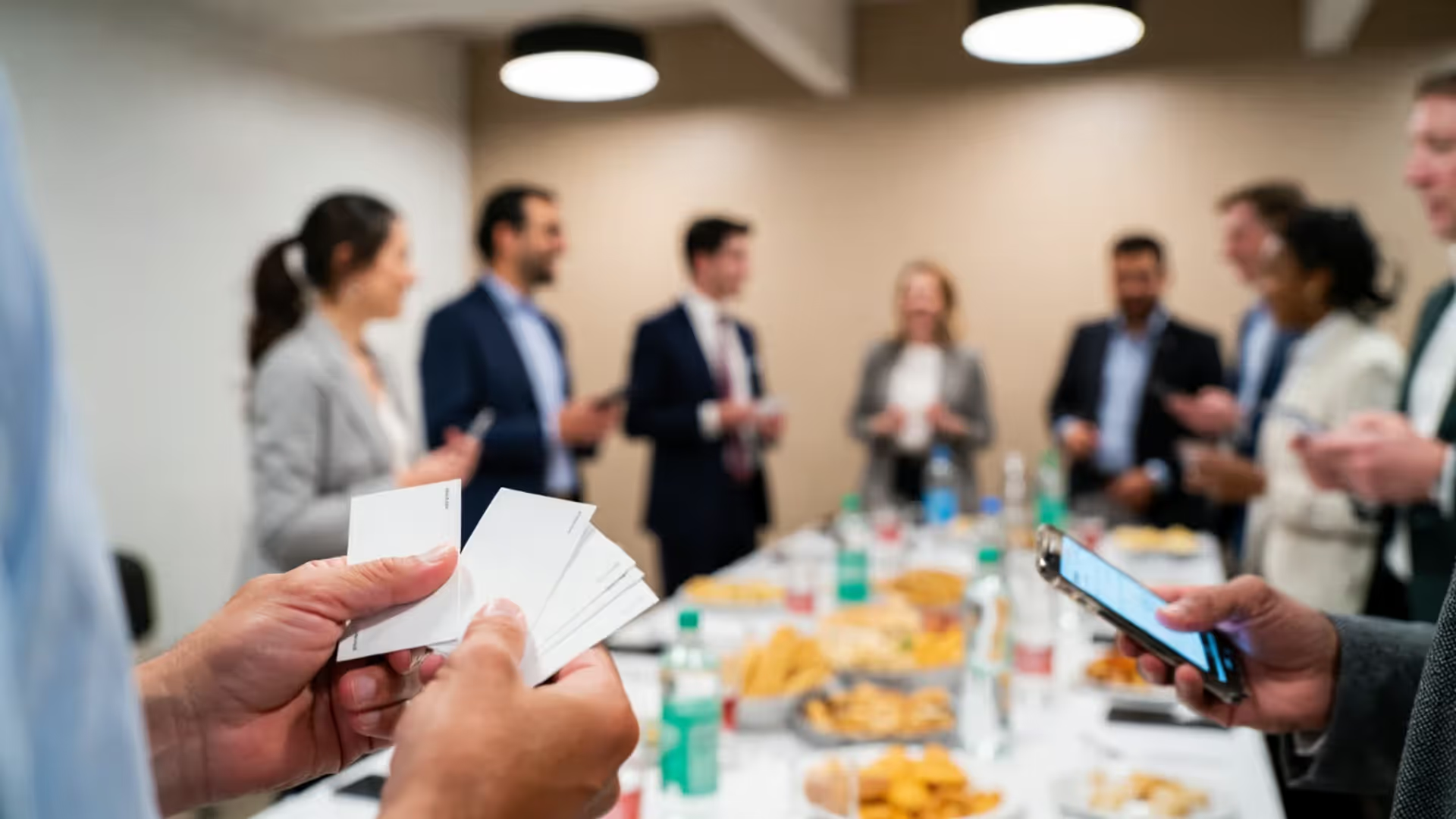
Traditional networking works like speed dating for professionals. Show up in business attire, identify the vice presidents and purchasing managers, pitch your services in under ninety seconds, grab their card, repeat. Everyone's running the same program. You leave with forty contacts and zero actual conversations.

Author: Sophie Bennett;
Source: isnvenice.com
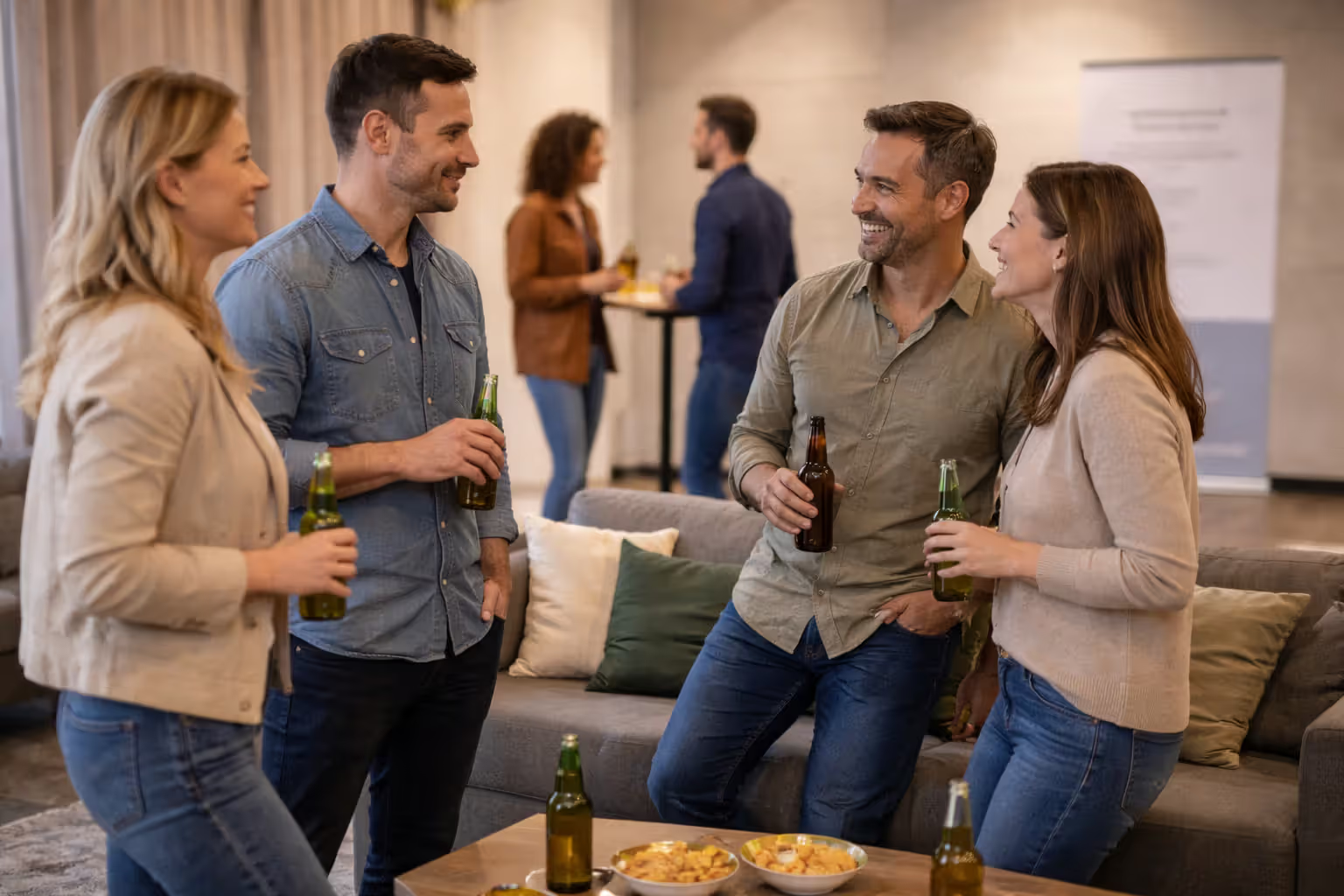
Social networking events reject that entire framework. The vibe stays deliberately low-pressure because relationship-building takes precedence over immediate transactions. Watch how people cluster in these spaces—they're having actual discussions, not scanning the room for their next target while pretending to listen.
Take the typical conversation flow. Someone might spend ten minutes discussing their marathon training or their kid's robotics competition before work topics surface naturally. This isn't wasting time. It's how humans decide whether they actually like each other, which determines if a professional connection will stick.
Dress codes signal these different priorities immediately. Corporate networking means suits and conservative dresses. Social business events? Jeans often work fine. One regular at a downtown tech meetup always wears band t-shirts. Nobody cares because he's genuinely helpful and fun to talk with—the actual criteria that matter.
Venues tell the same story. Hotel conference rooms with rows of chairs scream "prepare for presentations and forced interaction." Coffee shops, breweries, parks, and community centers say "relax and see what happens." The physical environment shapes behavior more than most organizers realize.
Here's the structural difference that changes everything: social networking events don't do scheduled programming. No keynote speakers. No panel discussions where you sit silently for forty-five minutes. Maybe there's a brief welcome or an optional group activity, but you control your own experience. Want to spend the whole evening talking with two people about urban beekeeping? Go for it.
Author: Sophie Bennett;
Source: isnvenice.com
Following up looks different too. After formal networking, you're supposed to send connection requests within twenty-four hours and schedule discovery calls. After a relaxed mixer, you might text someone: "Found that article about vertical farming we discussed—thought you'd enjoy it." The relationship grows like friendships grow, not like sales funnels operate.
Types of Social Networking Events Worth Attending
Professional Mixers and Industry Happy Hours
Professional mixers split the difference between purely social hangouts and straight business meetings. They gather people from related fields—say, everyone working in healthcare marketing—at a bar or restaurant. Shop talk happens naturally between discussions of weekend plans and local restaurant reviews.
These work particularly well when you want honest industry insights without the posturing that happens at formal conferences. A marketing director might admit their latest campaign flopped completely, something they'd never say at a business expo. Others share what actually works, which tools they love, which clients drive them crazy. The informal setting creates permission for honesty.
You'll hear about job openings before they're posted. Learn that three other people use the same difficult vendor and have workarounds. Discover someone who needs exactly the skills you offer, except neither of you pitches because you're too busy arguing about which taco truck is best.
Community-Based Gatherings and Local Meetups
Community gatherings care more about zip codes than job titles. Neighborhood associations, Main Street organizations, and local improvement groups mix residents, business owners, nonprofit staff, and whoever else shows up. These strengthen neighborhood connections while creating unexpected professional opportunities.
A graphic designer living in the Historic District might attend a neighborhood planning meeting and end up designing materials for a community festival. The local bookstore owner meets a corporate trainer who needs venue space for workshops. The accountant who volunteers at cleanups becomes the go-to tax person for half the neighborhood. Professional benefits emerge from being a visible, contributing community member rather than working a room strategically.
These events also connect you with people who share your physical space daily. The person you meet might become a client, but they're definitely your neighbor. That dual relationship creates different incentives for treating each other well.

Author: Sophie Bennett;
Source: isnvenice.com
Hobby and Interest-Driven Social Events
The strongest professional networks sometimes form around ultimate frisbee leagues and watercolor classes. Running clubs, book groups, cooking workshops, photography walks, board game nights—these attract professionals from completely different industries who bond over shared passions instead of shared career paths.
Consider this: a civil engineer and a veterinarian would never cross paths at industry events. But they might become friends through a weekly climbing gym session. When the vet's practice needs site work for an expansion, they'll remember their climbing buddy. When the engineer's dog needs surgery, they'll think of their friend who happens to be a vet. Nobody networked. Everybody benefited.
These hobby-based connections often outlast purely professional relationships because they're based on genuine compatibility rather than transactional usefulness. Plus, discussing things you actually enjoy beats forcing small talk about quarterly projections.
| Event Type | Formality Level | Typical Attendees | Average Cost | Best For | Example Activities |
| Professional Mixers | Casual-to-moderate | People in similar industries, potential partners | $0-30 (food/drinks) | Staying current with field trends, finding collaborators | Brewery meetups, coffee hangouts, casual lunch groups |
| Industry Happy Hours | Casual | Professionals from specific sectors, competitors, vendors | $15-40 (drinks) | Meeting peers in relaxed settings, honest industry talk | Bar gatherings, wine events, brewery tours |
| Community Gatherings | Very casual | Neighbors, local business owners, civic volunteers, residents | Free-$20 | Building local visibility, neighborhood connections | Planning meetings, park cleanups, street festivals |
| Local Meetups | Casual | People sharing interests, demographics, or goals | Free-$25 | Growing social circles, discovering unexpected opportunities | Meetup.com groups, affinity organizations, professional associations |
| Hobby Groups | Very casual | Enthusiasts from every profession imaginable | Free-$50 | Real friendships, stress relief, creative connection | Sports teams, book clubs, maker spaces, art workshops |
| Social Business Events | Moderate | Entrepreneurs, freelancers, small business folks, side hustlers | $20-60 | Finding collaborators, resource sharing | Coworking events, startup socials, entrepreneur meetups |
Where to Find Social Networking Events in Your Area
Meetup.com still dominates the local event discovery space, despite being around forever. Search by interest keywords like "marketing professionals" or "new in town" or by location radius. The platform displays upcoming gatherings, group sizes, and photos from past events so you can gauge the vibe before committing. Pro tip: look for active participation, not just large membership numbers. A group with 2,000 members but sparse attendance beats a group with 200 active regulars.
Eventbrite works better for one-time events and larger productions. Use the location filters and browse categories like "Networking" or "Community" or drill into specific professional niches. Many organizers prefer Eventbrite's ticketing features, so you'll see both free gatherings and paid events with actual production value. Read those descriptions carefully—some "networking events" are just sales presentations in disguise, while others offer genuine community-building.
LinkedIn Events has quietly become powerful for professional discovery. Your connections' RSVPs show up in your feed, meaning you'll spot familiar faces before arriving. LinkedIn suggests events based on your industry, location, and profile activity. The professional context means these lean slightly more formal than Meetup events, but plenty still embrace the social-first philosophy.
Local chambers of commerce run regular events for members and the broader business community. Yes, some chamber functions feel stiff and transactional. But many now host casual mixers, young professionals groups, and community-focused gatherings that prioritize relationship-building. Annual membership typically runs under $300 and includes multiple event invitations, making it cost-effective if you attend regularly.
Coworking spaces have evolved into networking hubs even for people who never rent desks there. WeWork, Industrious, and independent coworking venues host open community events—workshops, happy hours, lunch sessions—partly to attract potential members but also to support local professional ecosystems. These naturally draw entrepreneurs, freelancers, remote workers, and anyone escaping coffee shop wifi. Check space websites or just walk in and ask about upcoming events.
Social clubs and membership organizations provide consistency instead of one-off experiences. Rotary, Kiwanis, BNI chapters, Toastmasters, industry associations—these offer regular touchpoints with the same people, letting relationships deepen over months instead of starting from scratch repeatedly. Membership fees and attendance expectations vary, but the investment typically pays off in relationship quality rather than quantity.
Don't ignore old-school discovery methods, either. Coffee shop bulletin boards, community center calendars, neighborhood Facebook groups, and local newspapers advertise smaller gatherings that never migrate to major platforms. These under-the-radar events sometimes offer the most authentic experiences precisely because they haven't been commercialized or professionalized into oblivion.
Real networking currencies aren't about aggressive self-promotion—they run on what you give, not what you take.
— Keith Ferrazzi
7 Mistakes People Make at Informal Networking Events
Launching into sales mode immediately. Nothing kills a conversation faster than treating every introduction as a pitch opportunity. Someone asks what you do, and within ninety seconds you're explaining how your services could solve their problems. They didn't ask for a sales presentation. They asked a polite getting-to-know-you question. The entire point of social networking events is escaping transactional interactions, not relocating them to bars and coffee shops.
Ghosting after good conversations. You spent twenty minutes having a genuinely interesting discussion, swapped contact information, and then... absolute silence. Or you sent a generic LinkedIn request with zero personalization. The real value of informal networking comes from nurturing connections over weeks and months. Reach out within two days while the conversation's still fresh. Reference specific topics you discussed: "Loved hearing about your career switch from nursing to healthcare tech." That beats "Nice meeting you!" by a mile.
Clinging to your safety buddy all night. Bringing a friend provides emotional support, absolutely. Spending the entire event talking only to that friend wastes everyone's time. Use the buddy system intelligently: arrive together for confidence, separate to meet new people, reconnect occasionally to introduce your new contacts to each other. This expands everyone's network while keeping a safety net close.
Missing obvious exit signals and trapping people. That person keeps checking their phone, glancing around the room, giving one-word answers, and shifting their weight between feet. They want out of this conversation, but you keep talking. Reading social cues matters tremendously at informal events because there's no built-in time limit on interactions. Watch for genuine engagement versus polite tolerance. Gracefully exit conversations that aren't working for both people.
Forgetting that listening beats talking. Networking isn't a performance where you prove how interesting you are. It's about showing genuine interest in others. People who dominate conversations with their own accomplishments and stories completely miss the point. Ask questions that require more than yes/no answers. Listen actively instead of planning your next comment. Look for common ground. Paradoxically, showing real curiosity about others makes them more interested in you.
Treating an open bar like a college party. Yes, many social networking events include alcohol. No, you shouldn't get drunk at them. One or two drinks can ease anxiety and help conversations flow. Three or more can destroy your professional reputation in one evening. Alternate alcoholic beverages with water. Eat before attending. Know your personal limits and respect them.
Collecting contact information without actually connecting. You left with fifteen business cards or LinkedIn connections. Sounds productive, right? Except you can't remember who any of those people are or what you talked about. Quality absolutely trumps quantity. Three memorable conversations you can recall in vivid detail beat twenty forgettable exchanges. Take quick notes on your phone after meaningful discussions to help future follow-up feel personal instead of generic.

Author: Sophie Bennett;
Source: isnvenice.com
How to Prepare for and Follow Up After Social Business Events
Preparing for social networking events requires different thinking than formal business networking. Leave the fifty-business-card stack and memorized elevator pitch at home. Instead, prepare mentally to be present and genuinely social. Review event details to understand the format, venue, and expected crowd size. Dress appropriately for the specific setting—when uncertain, business casual works for most professional mixers.
Bring maybe five business cards, but don't make distribution your success metric. Many informal networking situations feel awkward when someone immediately shoves a card at you. Exchange contact information organically when mutual interest in staying connected emerges naturally. Try asking: "How would you prefer to stay in touch?" That feels infinitely more natural than automatically handing over cards.
Think about conversation starters beyond the tired "What do you do?" opener. Try "What brought you here tonight?" or "How'd you find this group?" or "What's been your week's highlight so far?" These invite actual stories instead of job title recitations. Keep a few current events, local happenings, or light topics ready as backup conversation material.
Arrive early whenever your schedule allows. The first half-hour offers prime opportunities because crowds stay manageable and everyone feels equally uncertain. Position yourself near the entrance to welcome newcomers—you'll instantly become a familiar face. Early arrival also lets you chat with organizers, who often make valuable introductions throughout the event.
During the event itself, prioritize depth over breadth. Resist that frantic urge to work the entire room. Three substantial conversations beat fifteen superficial ones by every meaningful measure. Look for people standing alone or small groups displaying welcoming body language. Approach with a smile and straightforward introduction. Listen significantly more than you talk. Find genuine connection points instead of forcing them.
Reach out within twenty-four to forty-eight hours to people you genuinely clicked with. Personalize every single message with specific conversation details: "Really enjoyed hearing about your career path from teaching to instructional design—that took courage" beats "Great meeting you!" by miles. Suggest a low-pressure next step like sharing a relevant article, making a useful introduction, or connecting on social platforms.
Different relationships warrant different follow-up approaches. Someone you had a pleasant but brief conversation with might need just a LinkedIn connection with a personalized note. Someone you really clicked with deserves a coffee invitation or introduction to a relevant contact in your network. Someone who mentioned a specific need you can help with should get a detailed follow-up offering value before asking for anything in return.
Track your networking activity to ensure actual follow-through. A simple spreadsheet or notes app can record who you met, conversation highlights, and follow-up commitments you made. Review this regularly to maintain relationships over time. The most valuable connections typically develop across months or years, not overnight.
Transform one-time connections into ongoing relationships by staying visible without being annoying. Share articles they'd find relevant. Introduce contacts who'd benefit from knowing each other. Invite people to future events you're attending. Check in occasionally without wanting anything. These small touches keep relationships warm and position you as a connector rather than a taker.
FAQ: Common Questions About Social Networking Events
Building meaningful professional relationships doesn't require mastering aggressive tactics or perfecting thirty-second pitches. Social networking events succeed because they prioritize authentic human connection over immediate transactions. Approach these gatherings with genuine curiosity. Focus on quality conversations over contact quantity. Follow up thoughtfully within a day or two. You'll develop a network that provides both professional opportunities and actual personal fulfillment.
Start by identifying one or two events matching your interests or professional goals. Attend consistently rather than sporadically—people need to see you multiple times before real trust develops. Show up as your actual self rather than some carefully curated professional persona you think you should project. The connections that matter most often come from unexpected conversations at informal gatherings where you drop the performance and meet people as humans first, professionals second.