
Social Dynamics at Events Guide to Group Behavior Trust and Connection
Social Dynamics at Events Guide

Content
You know that moment when you step into a networking event and suddenly everyone's acting weird? The quiet guy from accounting won't stop talking. Your normally chatty colleague is glued to the wall. Someone you've never met is treating you like their long-lost friend.
Here's the thing: none of this is random. Social dynamics at events operate on patterns you can actually decode and use. Whether you're trying to expand your professional network or planning gatherings that don't make people miserable, understanding these invisible rules changes everything.
Why People Behave Differently at Events Than in Daily Life
Something shifts before anyone walks through the door. Events come with a built-in permission slip: you're supposed to talk to strangers here. Try striking up conversations with random people at Starbucks and you'll get weird looks. Do it at a conference? That's literally the point.
The clock's ticking, and everyone feels it. You've got maybe two hours to meet people who'd normally take months to encounter through regular channels. That urgency rewires how you interact—you're more direct, take bigger social risks, and yeah, sometimes more shallow in your exchanges. It's speed dating for professional relationships.
Your brain responds to the physical space itself. Walk into a ballroom or conference center, and something clicks. The high ceilings, the arrangement of furniture, even the carpet patterns—they all signal "this is a networking zone." The same person who'd never stand close to strangers on the subway will squeeze into tight conversation circles without thinking twice.
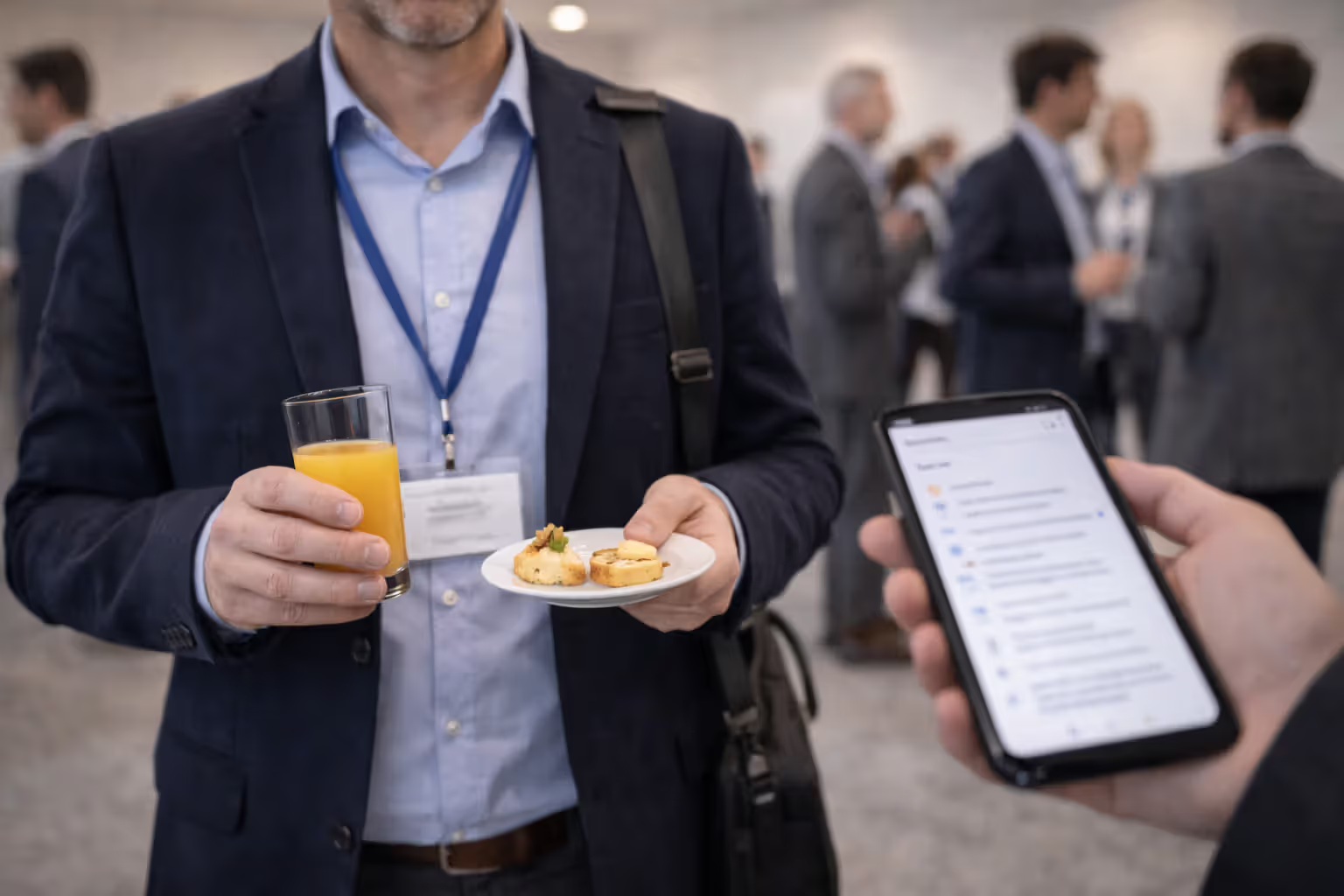
Let's talk about the physical stuff nobody mentions. Background noise forces you to lean in close, creating this fake intimacy that either speeds up connection or wears you out completely. Try juggling a drink, a small plate of appetizers, and a name badge while maintaining eye contact and remembering someone's name. It's cognitive overload. Even lighting plays tricks—dim settings make conversations last longer but you'll miss crucial facial expressions. Those harsh fluorescent lights? They speed everything up, making interactions feel more like transactions.
Author: Madison Cole;
Source: isnvenice.com
The temporary nature creates a safety net. You probably won't see these people again unless you choose to, which lowers the stakes considerably. People share surprisingly personal stuff at industry conferences but won't tell their desk neighbor anything beyond weekend plans. The expiration date on the interaction makes everyone braver.
The Four Stages of Group Formation During Events
Initial Contact and Territory Establishment
Watch the first fifteen minutes of any event—it's like nature documentary footage. Early birds claim their spots: corners with wall support, positions near the bar, chairs with clear sightlines to the entrance. These aren't accidents. People instinctively grab locations offering security (back protected), resources (easy drink access), or strategic visibility (observe without getting trapped).
We read other people’s body language even when we don’t realize we’re doing it.
— Amy Cuddy
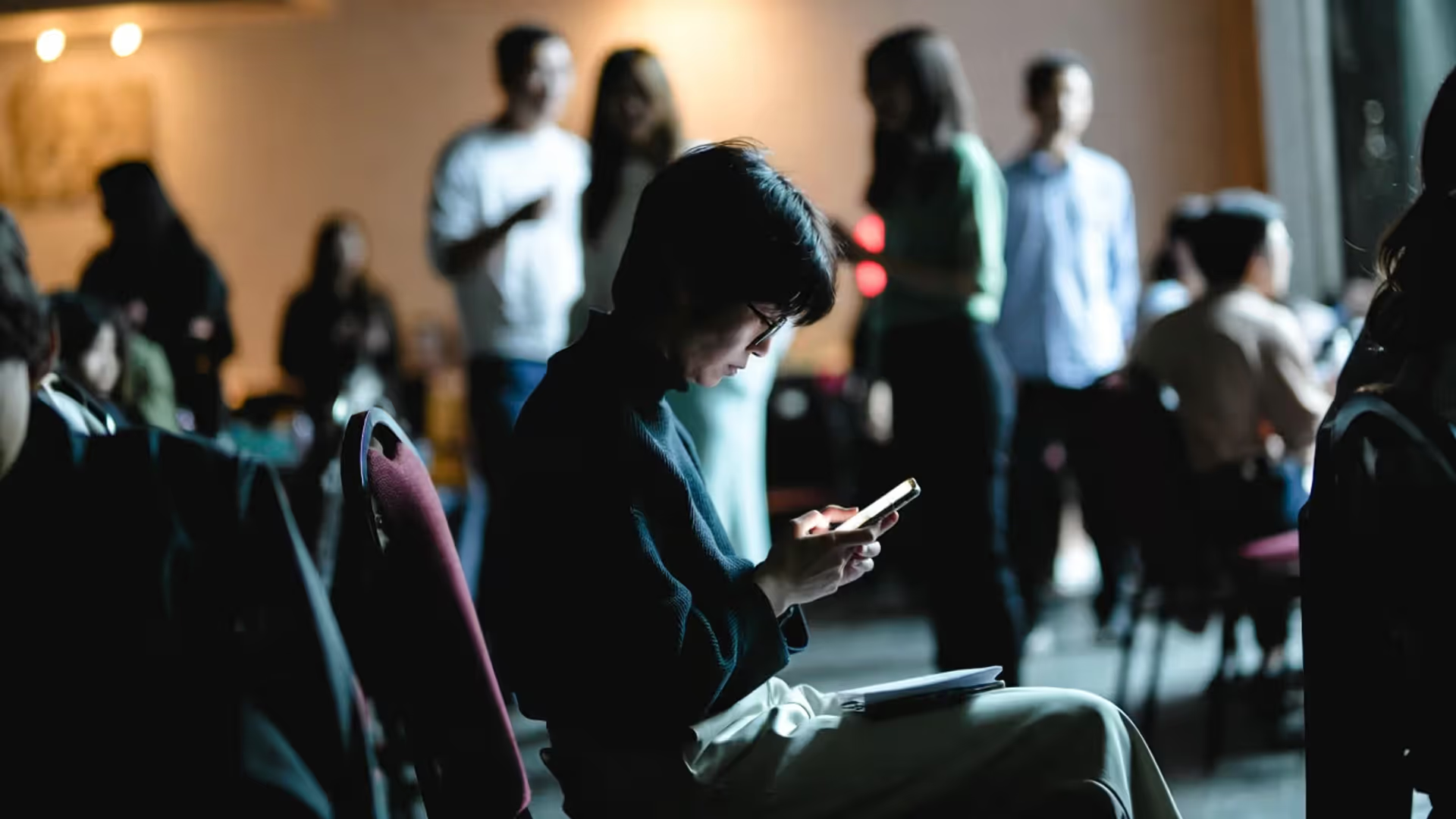
During this phase, everyone's scanning. Who looks friendly? Which groups seem welcoming versus closed off? Where's the actual energy? These split-second judgments determine whether someone will dive in or spend the entire evening pretending to be fascinated by their phone.
Body language broadcasts everything. Someone standing at a 45-degree angle while scrolling Instagram? They're saying "not ready yet." Two people face-to-face in intense discussion? That's a closed system—don't even think about interrupting. But someone positioned with an open stance, making periodic eye contact with people walking by? That's an invitation.
Subgroup Clustering and Identity Formation
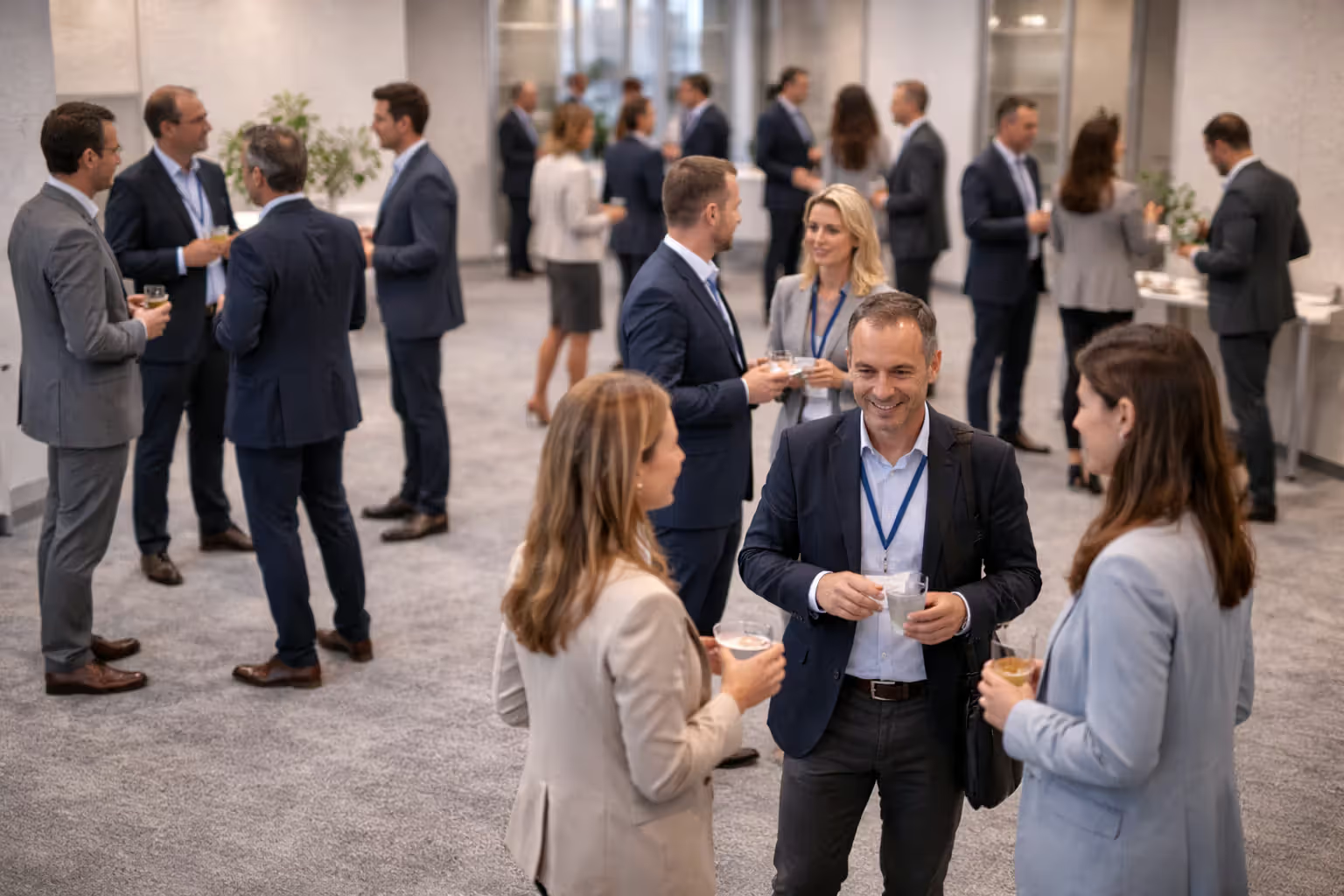
About thirty minutes in, the room reorganizes itself into mini-tribes. Professional events split by industry, company, or job function. Social gatherings cluster around shared interests or mutual friends. It happens fast and it's completely predictable.
Author: Madison Cole;
Source: isnvenice.com
These subgroups serve a purpose beyond comfort. They're psychological anchors in choppy waters. You can establish some credibility, test out ideas with people who'll actually listen, or just catch your breath between more demanding conversations. Think of them as base camps.
Here's something interesting: groups of three hit a sweet spot. Two people constantly worry about conversation dying. Four works, but five or more? They either split into multiple conversations or people start peeling off. Pairs actively hunt for a third person to stabilize their dynamic.
Cross-Pollination and Network Expansion
This is where the magic happens—when people get comfortable enough to leave their safe clusters and explore. Usually kicks in about an hour into a well-designed event. Someone who's been chatting with their industry peers finally ventures over to that interesting conversation they've been eavesdropping on.
Reading the room matters here. Open groups leave physical gaps in their circles and make eye contact with passersby. Closed groups? Tight formations, everyone facing inward, zero acknowledgment of the outside world. Wait for transitions—someone leaving a conversation creates a natural opening. So does laughter or the end of a story.
The real MVPs during this phase are the connectors. They float between groups, carrying information, making introductions, essentially acting as social glue. They'll introduce you to someone, chat for a few minutes, then drift to the next cluster. These people are rare and incredibly valuable.
Closure Behaviors and Follow-Up Intentions
Final thirty minutes look completely different. Energy drops, but conversation quality often improves. People make last-call decisions about which connections actually matter. You'll see longer talks between fewer people, phone numbers getting exchanged, actual plans being made instead of vague "let's keep in touch" promises.
This phase separates real connections from networking theater. Someone who seeks you out in those final minutes to continue an earlier conversation? That's genuine interest, not politeness. Groups that migrate together to grab food after? They've moved beyond event-specific interaction into actual relationship territory.
Follow-up makes or breaks everything. Most connections die within 48 hours without contact. The ones that stick involve specific plans, not generic ones. "I'll send you that case study about supply chain automation on Thursday" beats "We should grab coffee sometime" by a mile.
Common Networking Mistakes That Kill Event Engagement
Talking too much kills more potential connections than anything else. Some people get nervous and fill every silence, or they're just really excited about their topic. Either way, they're not reading the room. Watch for signs: people stop asking questions, their bodies turn away slightly, their eyes wander toward the exits. General rule—if you've monologued for more than ninety seconds without inviting response, you've lost them.
Body language screws things up constantly. Crossed arms, angled-away posture, constant phone checking—you're broadcasting disinterest even if you don't mean to. On the flip side: standing too close (anything under two feet for Americans), maintaining unblinking eye contact like you're trying to hypnotize someone, or touching people you just met. Cultural differences make this messier—comfortable distance for someone from São Paulo feels invasive to someone from Stockholm.
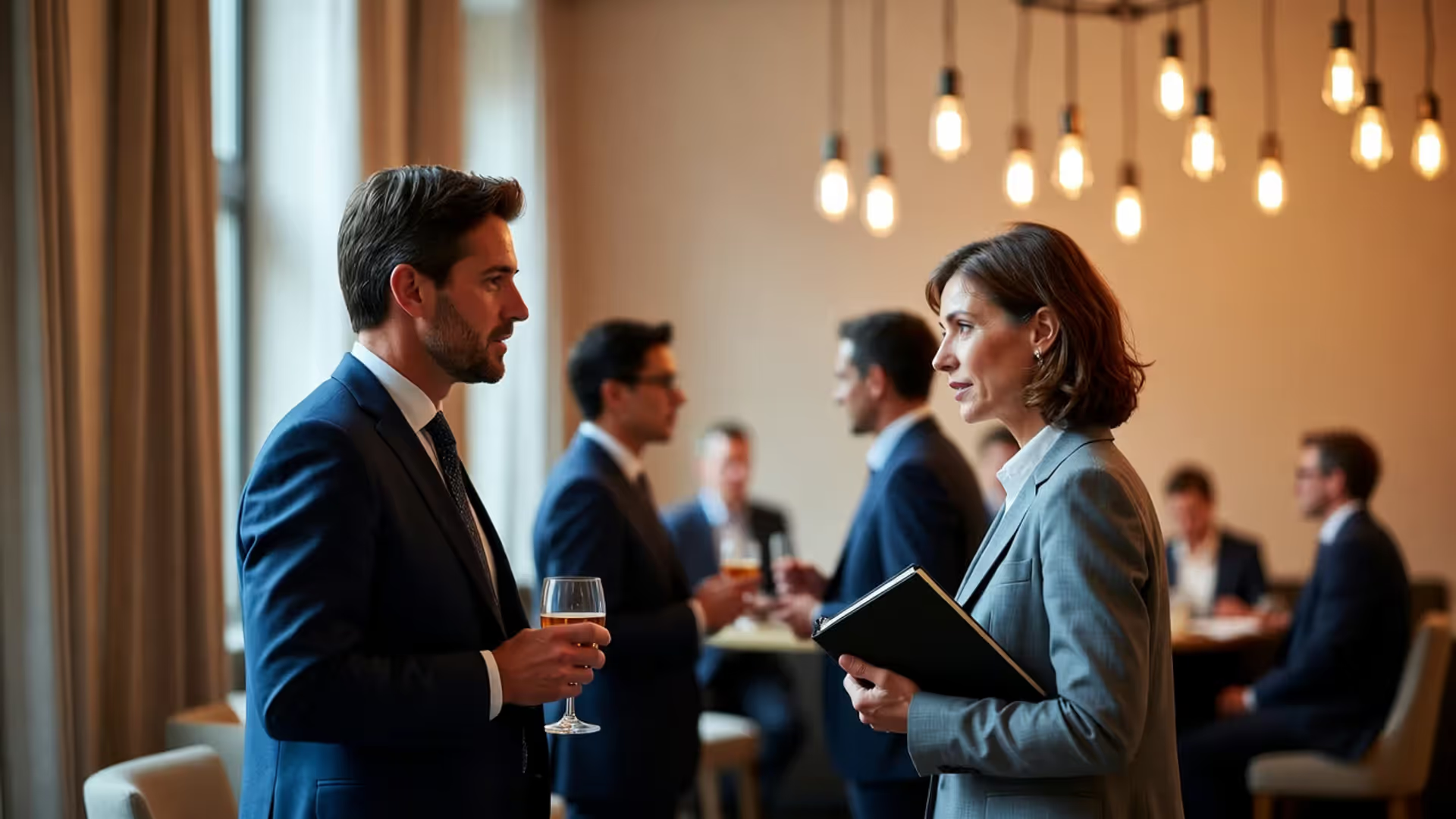
Leading with your pitch is relationship poison. Nobody attends events to get sold. They're exploring possibilities, feeling out the landscape. The effective networkers spend at least ten minutes in genuine conversation before mentioning anything business-related, and even then they frame it as mutual exploration. "I'm curious how you handle X" works infinitely better than "Let me tell you about our solution for X."

Author: Madison Cole;
Source: isnvenice.com
Hiding wastes everyone's time. Spending the entire event with coworkers you see every day? Refreshing your inbox in the corner? Making multiple "bathroom breaks" that are really escape attempts? You're defeating the purpose of showing up. Yet this happens constantly, driven by anxiety, unclear goals, or pure habit. Set concrete targets before arriving: "I'll have real conversations with five new people tonight." Suddenly you've got a reason to engage instead of hide.
Failing to introduce people is a subtle but damaging mistake. You're talking with someone, a third person approaches, and you... just keep talking? Or worse, you protect your conversation partner like they're your property? Here's what actually works: "Sarah, meet James—he's dealing with the same logistics challenges we were just discussing." You've just created value for everyone and demonstrated social intelligence. It takes five seconds.
How Event Design Influences Social Behavior Patterns
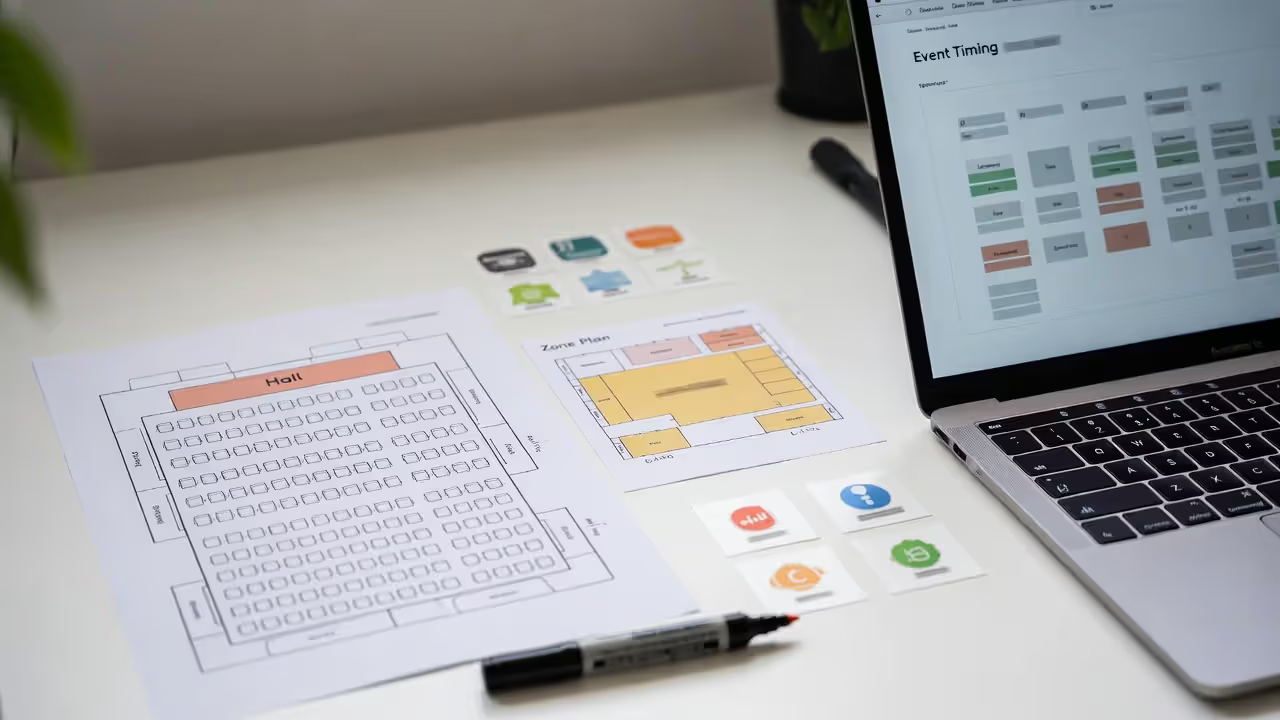
Room shape determines everything before a single word gets spoken. Long rectangular spaces create traffic jams in the middle and ghost towns in the corners. Circular or square layouts with multiple focal points—bars at opposite ends, food stations spread out, activity zones—distribute people naturally and keep them moving. Movement creates mixing. Stuck spaces create cliques.
Seating arrangements tell people how to behave. Theater rows? That's "sit quietly and watch." Terrible for networking, perfect for content delivery. Rounds of eight to ten? You're building table-level community, but if you get stuck with a boring group, you're trapped for an hour. Standing receptions maximize flexibility but physically exhaust people after about ninety minutes. Smart events sequence these formats—structured seating for presentations, then standing networking, with seated areas available for deeper conversations.
| Event Type | Typical Group Size | Interaction Depth | Networking Effectiveness | Best For |
| Cocktail reception | 3-5 floating clusters | Surface level to medium | Great for quantity | Meeting lots of people quickly, casual introductions |
| Seated dinner | 8-10 stuck at tables | Medium to substantial | Decent for depth | Building specific relationships, longer conversations |
| Conference breakout | 15-30 semi-structured | Medium depth | Moderate overall | Topic discussions, learning while networking |
| Workshop format | 12-20 working together | Substantial | Limited but quality | Skill building, intimate collaboration |
| Speed networking | 1-on-1 rapid rotation | Quick and shallow | High for screening | Fast connection assessment, targeted matching |
| Outdoor/activity-based | 4-8 doing something | Medium to deep | Excellent for quality | Memorable relationship building, natural bonding |
Activity structure makes or breaks engagement. Pure free-form time favors extroverts and seasoned networkers while leaving everyone else stranded. Pure structure eliminates networking opportunities entirely. The sweet spot? Structured elements that give people something to talk about—speakers, demos, interactive activities—balanced with enough unstructured time for organic conversation.
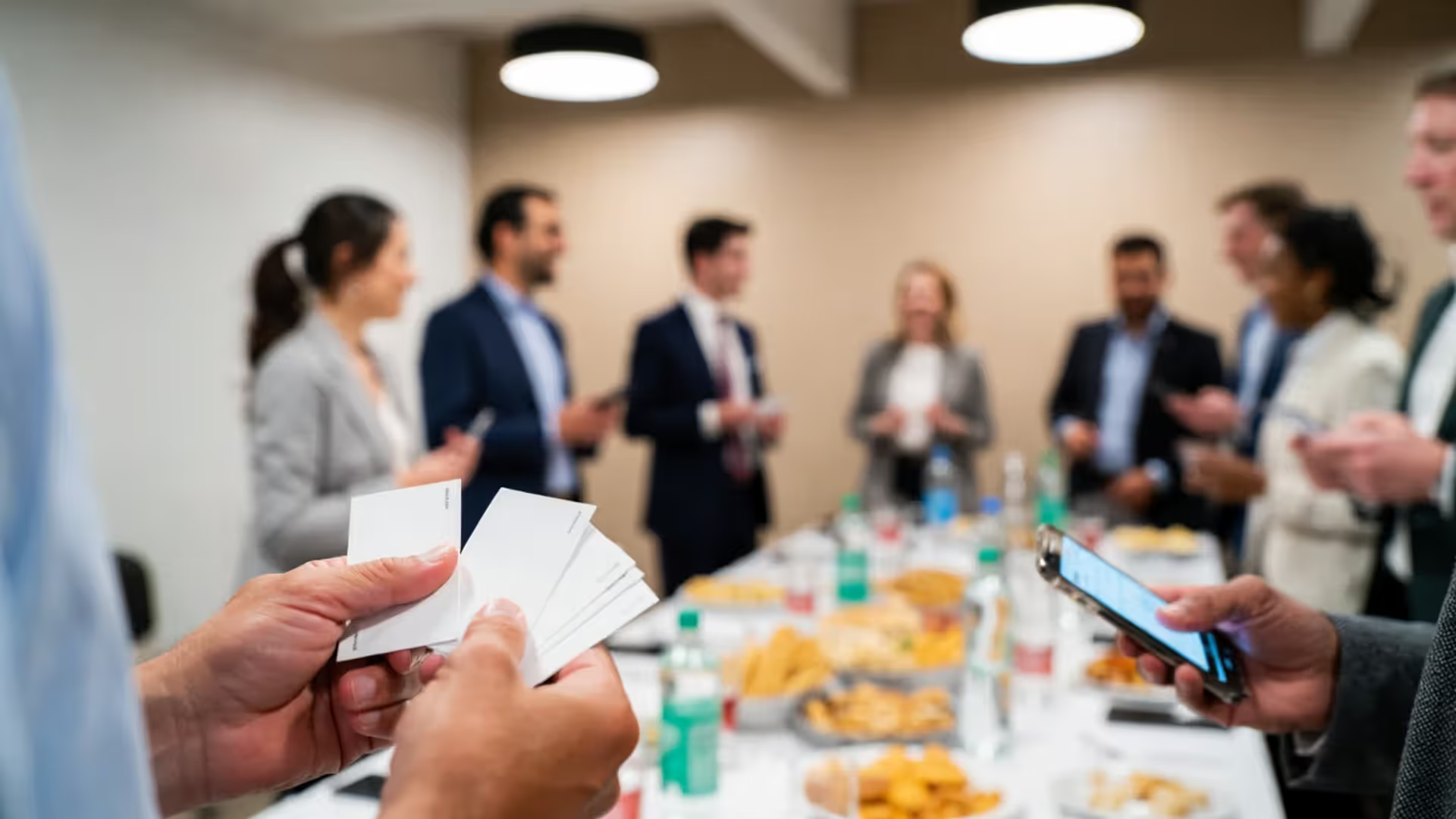
Timing matters more than you'd think. Start before 6 PM and you're competing with work schedules. Nobody's fully present because they're stressed about leaving early or things left undone. Run past 9 PM and you're fighting exhaustion—conversations get repetitive, business cards disappear into pockets never to be found again, follow-through intentions evaporate. The golden window for professional events runs 6:00-8:30 PM. That's two and a half hours that respects both work obligations and human energy limits.
Food choices influence behavior in weird ways. Serve chicken wings or anything drippy and you've just made handshaking and conversation awkward. Heavy meals make people sluggish and antisocial. Light, manageable options keep energy stable. And alcohol? It loosens people up initially, but past two drinks, interaction quality drops hard. Professional judgment deteriorates right when people need it most.
Author: Madison Cole;
Source: isnvenice.com
Reading and Adapting to Group Interaction Psychology
Social cues work like a secondary language running underneath everything. Energy levels broadcast through posture, voice tone, movement pace. High-energy people lean forward when they talk, gesture expansively, speak with animation. Low-energy folks adopt contained body language, quieter voices, deliberate movements. Matching someone's energy level builds rapport way faster than coming at a tired person with intense enthusiasm.
Inclusion signals tell you exactly whether a group wants newcomers. Physical gaps in the conversation circle? Good sign. Eye contact with people outside the group? Even better. Pauses in discussion? That's your opening. Someone turning their body slightly outward is basically acting as an unofficial greeter. Tight circles with backs to the room and continuous intense dialogue? That's "not now" in every language.
Timing your approach requires reading the room. Approaching during laughter usually works—humor creates openness. Waiting for a natural pause beats interrupting someone mid-story every time. Having a specific reason helps: "I heard you mention blockchain and I'm curious about your take on..." beats "Mind if I join you?" by a mile. That last one puts people on the spot and frames you as asking permission instead of adding value.
Communication patterns shift based on who's in the group. Homogeneous clusters—same industry, similar backgrounds—develop insider shorthand fast. That makes entry harder but conversations more efficient. Diverse groups maintain more accessible styles but sometimes lack natural cohesion. Reading which type you're approaching helps you calibrate your entry strategy.
Exit strategies matter as much as entry. Just disappearing mid-conversation or obviously scanning the room for better options damages your reputation permanently in that circle. What works: introducing your conversation partner to someone else before leaving, being honest about needing to connect with specific people, or using natural breaks ("I'm going to grab another drink—really enjoyed talking"). Clean exits preserve goodwill and keep doors open.
Strategies for Facilitating Better Social Engagement
Preparation transforms everything for attendees. When possible, research who's attending and identify three specific people you want to meet. Prepare conversation starters beyond "What do you do?"—recent industry news, observations about the event itself, open-ended questions about challenges people face. Having these loaded up reduces anxiety by about 70%.
Set specific but flexible goals. "I want meaningful conversations with five people and identify two potential collaboration opportunities" gives you direction without rigidity. Avoid vague objectives like "network more" or counterproductive ones like "collect fifty business cards." Quality connections require focus, not volume chasing.
Active listening functions as a networking superpower that almost nobody uses. Most people at events are so focused on what they'll say next that genuine listening stands out dramatically. Try this: ask follow-up questions referencing specific details from what someone just said, reflect back what you're hearing to confirm understanding, and resist the urge to immediately match every story with your own. You'll become memorable.
For organizers, intentional design prevents common disasters. Build in structured mixing mechanisms from the start: assigned seating that rotates, icebreaker activities that actually require meeting new people, or facilitated introductions. These work especially well during the first thirty minutes when anxiety peaks and people most appreciate guidance.
Create conversation catalysts throughout the space. Discussion prompts displayed on tables, interactive elements requiring collaboration, or shared experiences like group activities give people content beyond small talk. The best catalysts are genuinely interesting and low-stakes, not those cringe-inducing team-building exercises that make people wish they'd stayed home.
Design for different social styles or you'll lose half your attendees. Provide high-energy social spaces and quieter zones where introverts can recharge without feeling guilty. Offer multiple participation modes—some people engage best in large groups, others need intimate conversations. Schedule breaks explicitly. Nobody should feel bad about stepping away.
Train hosts or ambassadors to actively facilitate connections instead of just greeting people at the door. These designated connectors should circulate continuously, identify isolated individuals, make introductions between people with common interests, and model the social behavior you want to encourage. One skilled facilitator per thirty attendees significantly improves overall engagement. It's not about controlling interactions—it's about catalyzing them.
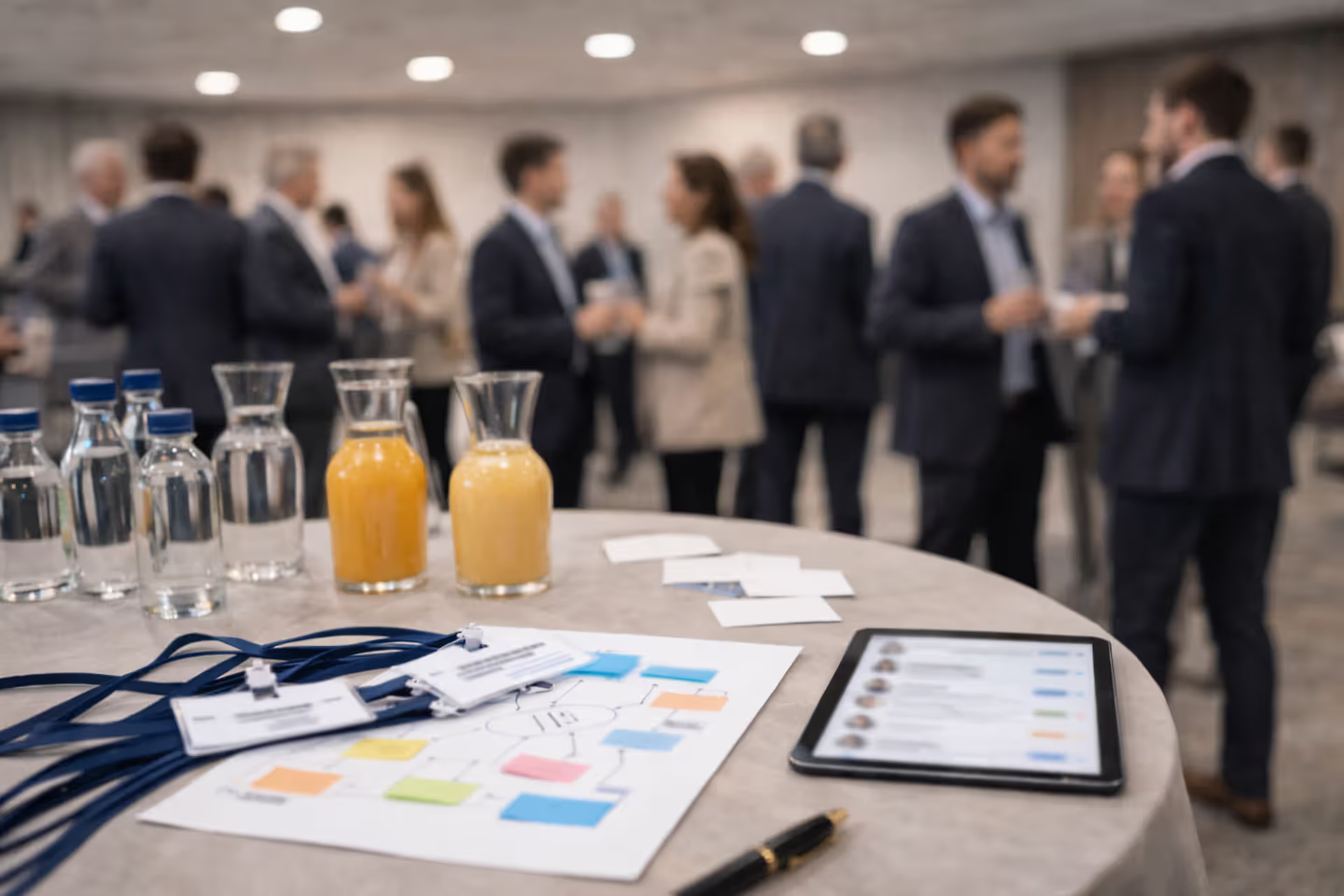
Name tags deserve strategic thinking. First names in large print, companies or affiliations smaller. Consider adding conversation starters: "Ask me about hiking in Patagonia" or "I'm curious about AI applications in healthcare." Position tags on the right shoulder so they're visible during handshakes instead of getting covered by crossed arms.
Frequently Asked Questions About Event Social Dynamics
Understanding social dynamics at events transforms them from obligatory calendar blocks into strategic opportunities. These patterns—behavioral shifts, group formation stages, design impacts, interaction psychology—operate whether you notice them or not. Awareness just lets you work with these dynamics instead of fighting them blindly.
For attendees, this knowledge reduces anxiety and improves outcomes significantly. That awkwardness during initial contact? It's universal, not personal. You'll spot which groups welcome newcomers versus which ones don't, time your approaches better, and exit conversations without burning bridges. You'll set realistic expectations about what single events can accomplish and focus energy on connections worth developing instead of trying to meet everyone.
For organizers, understanding these patterns elevates event design from logistics management to experience architecture. Small changes—adjusting room layout, adding structured mixing elements, timing breaks strategically—dramatically improve engagement without increasing budgets. The goal isn't controlling every interaction. It's creating conditions where valuable connections happen naturally instead of forcing people to overcome your design mistakes.
Events will always involve some discomfort, uncertainty, and energy expenditure. That's inherent to bringing diverse people together in time-limited environments with unclear social rules. But armed with insights into how groups actually behave—not how we wish they'd behave—you can navigate these spaces more effectively, build meaningful connections, and maybe even enjoy the process occasionally.