
How to Start Conversations at Events: Proven Techniques for Meaningful Connections
How to Start Conversations at Events?

Content
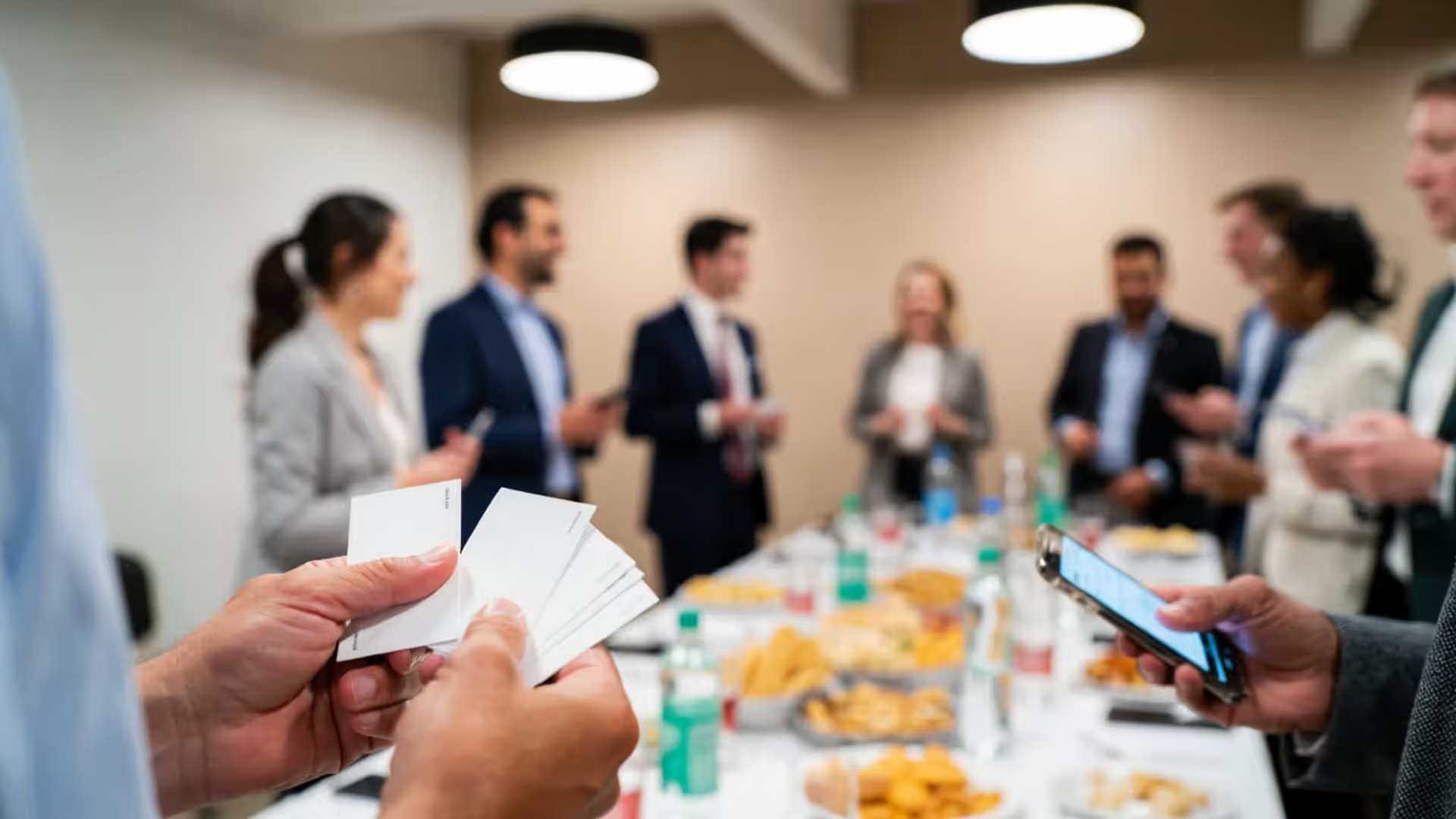
You know that moment when you push through the conference center doors and realize you don't know a single person? Your hands get clammy. The hors d'oeuvres table becomes your best friend. You pretend to check an urgent email that doesn't exist.
Here's the thing nobody tells you: those seemingly confident people working the room? They weren't born with some special chip that makes small talk easy. They just figured out a few specific techniques. And you can learn them faster than you think.
Why Most People Struggle With Event Conversations (And What Actually Works)
Most professionals believe networking success requires an outgoing personality. Wrong. Dead wrong, actually.
Susan Cain's research on introverts shows they often excel at networking because they ask better questions and actually listen to answers. The problem isn't your personality—it's believing you need to be fascinating or memorable in every interaction.
When you focus on being impressive, you end up sounding rehearsed. Or worse, like you're pitching something.
Three obstacles trip up most people:
The interruption worry. You think approaching someone means bothering them. But consider this: They bought a ticket. They showed up. They want to connect with people—that's literally why networking events exist. That person scrolling their phone solo near the bar? They're probably hoping someone rescues them from looking awkward.
Getting brushed off. Yes, occasionally someone will give clipped responses or excuse themselves quickly. Maybe they're meeting their boss in two minutes. Maybe they just got bad news. Maybe they have crippling social anxiety too. It's almost never about you personally. Keep moving.
The conversation running dry. This fear comes from treating networking like a performance instead of a two-way exchange. Switch your internal question from "What impressive thing should I say?" to "What can I discover about this person's work?" That mental shift eliminates half the pressure instantly.
Lower your stakes dramatically. You don't need fifty business cards or to impress every person. Three genuine conversations that might lead somewhere? That's a win. That mindset adjustment changes how you carry yourself.

Author: Madison Cole;
Source: isnvenice.com
Developing strong social skills for events means accepting that even polished communicators have flat conversations sometimes. They just don't spiral into self-criticism afterward.
15 Conversation Starters That Work at Any Professional Event
"So, what do you do?" works fine. It's just boring. People go on autopilot answering it. Better conversation starters connect to your specific shared context right now.
Situation-Based Openers vs. Generic Questions
Conference sessions: - "What made you choose this session over the others?" (Shows intentionality, reveals priorities) - "Do you follow this speaker's work regularly?" (Opens natural discussion about shared interests) - "I'm struggling with how to actually use that framework they mentioned—you have any initial thoughts?" (Invites problem-solving together)
Industry mixers: - "What's your connection to the organizers?" (Helps you understand their network position) - "Are you a regular at these or is this your first?" (Effective whether you're new or experienced) - "These events always feel awkward to me—what's your strategy?" (Vulnerability can be surprisingly effective)
Trade shows: - "Which booth surprised you most so far?" (Gets them talking about their experience, not just their job title) - "Are you here looking for specific solutions or just seeing what's out there?" (Shows respect for their time and goals)
Cocktail receptions: - "This venue is gorgeous—ever been here for other events?" (Low-stakes, easy entry point) - "I'm Sarah, I work in logistics. Trying to meet people outside my usual circle tonight." (Honest, clear, welcoming)
Workshop or training events: - "What's your main goal for today's session?" (Future-focused, assumes shared purpose) - "Ever tried implementing this kind of system before?" (Respects their existing knowledge)
Virtual events: - "Where are you calling in from today?" (Acknowledges the format's unique nature) - "Is your audio working okay? I had to restart Zoom twice before mine stabilized." (Shared technical frustration builds instant rapport)
Notice the pattern? Each references something specific about your shared situation right now. You're demonstrating presence while giving them an easy response path.
What to Avoid Saying in First 30 Seconds
Steer clear of these momentum killers:
Starting with negativity about networking. "These things are so painful, right?" might feel like bonding, but it sets a terrible tone. If you want to acknowledge discomfort, wait until you've established some connection first.
Launching into your pitch immediately. Leading with what you're selling puts people on defense. They came to connect, not to sit through sales presentations.
Criticizing event logistics. "This venue is terrible" or "That speaker was boring"—you have no idea if they helped organize this or know the speaker personally. Criticism might bond you with some people but alienates others. Bad odds for an opener.
Getting too personal too fast. "So are you married?" before you've even exchanged names feels invasive and odd.
Making "What do you do?" your literal first words. Not technically wrong, just lazy. It signals you're running a checklist instead of being genuinely curious about the human in front of you.
The foundation of effective small talk tips: make them comfortable, not impressed.

Author: Madison Cole;
Source: isnvenice.com
The 3-Step Framework for Keeping Conversations Flowing Naturally
Once you've broken the ice, this structure maintains momentum without forcing anything.
Step 1: Open with context-specific curiosity
You've handled this with your starter. Now follow their answer with genuine interest. They mention relocating from Portland? Ask what specifically drove the move. They reference their role? Ask what a typical Tuesday looks like. Skip yes/no questions—"how," "what," and "why" invite actual detail.
Step 2: Engage through active contribution
Strong communication strategies fail when conversations become interrogations. After they share something, add a related observation or quick experience from your world. This creates rhythm instead of interview vibes.
Example: - Them: "I'm trying to figure out AI implementation for our customer service team." - You: "We tried that last fall and hit weird roadblocks around training data quality we hadn't anticipated. Are you building from scratch or improving what exists?"
You validated their interest, shared something relevant without dominating, and asked a follow-up. This acknowledge-contribute-inquire pattern keeps energy flowing naturally.
Body language carries more weight than words. Face them directly, not at an angle. Put your phone completely away—not face-down on the table, actually in your pocket or bag. Make eye contact while they're speaking, not while you're speaking. Nod occasionally to show you're tracking. These tiny signals communicate genuine presence.
Step 3: Transition gracefully
Knowing how to start conversations at events includes knowing how to end them smoothly. Most initial conversations naturally wind down after seven to ten minutes. Watch for these signals: - The energy noticeably drops - They start scanning the room - You're circling back to topics already covered - Pauses stretch longer
Effective transition phrases: - "I should let you meet more people here, but I'd love to continue this—can we exchange info?" - "I want to catch Elena before she disappears, but this was really valuable. Okay if I follow up next week?" - "I'm going to grab some water and check out that booth everyone's talking about. Really enjoyed this."
Be direct but warm. Don't invent fake emergencies or fade away mid-sentence. A clean exit with genuine appreciation leaves stronger impressions than clinging to a dying conversation out of politeness.
Building Networking Confidence Before You Arrive
Most anxiety about networking happens because people walk in completely cold. Preparation doesn't mean memorizing scripts—it means reducing variables you can't control.
Research attendees in advance. Many events share attendee lists or speaker rosters. Identify three to five people whose work genuinely interests you. Having specific people to locate gives you mission-based direction instead of aimless wandering that amplifies anxiety.
Set process goals, not results goals. Terrible goal: "Generate five qualified leads tonight." Better goal: "Have three conversations where I learn something I didn't know before." The second version you completely control, which reduces pressure dramatically.
Prepare three current topics from your world. Not elevator pitches about yourself—actual challenges you're working through, recent industry news, or trends you're puzzling over. Having these mentally ready prevents the panic spiral of "Oh no, what do I even talk about?"
Show up early. Sounds counterintuitive but works incredibly well. Early arrivals feel more approachable because the space isn't loud and crowded yet. People arriving alone are easier to engage one-on-one. You can also position yourself strategically near registration or the coffee station where people naturally pause and look approachable.
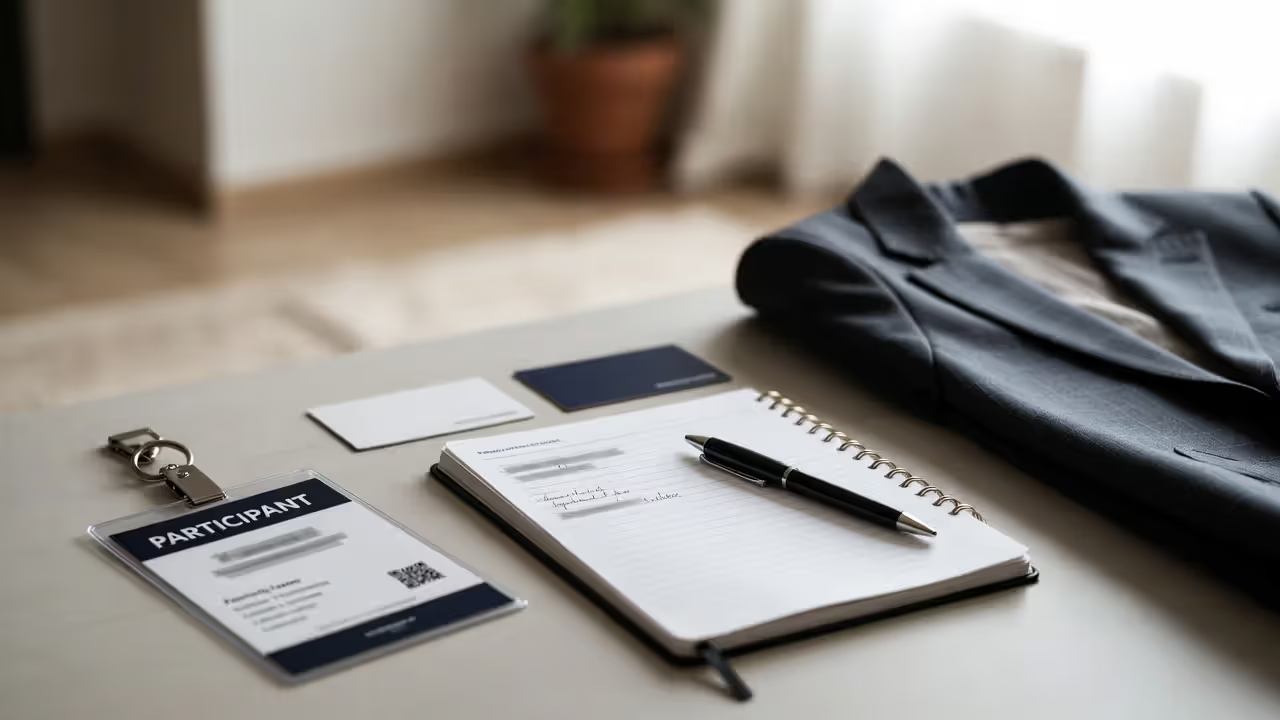
Use a physical confidence element. Wear something you feel genuinely great in. Bring a conversation piece—interesting notebook, unique pin, memorable accessory—that might naturally spark comments. These small things reduce self-consciousness.
Building solid social skills for events means treating each one as practice, not a referendum on your worth. Your twentieth event will feel completely different from your first, but only if you keep showing up.
Common Conversation Mistakes That Kill Networking Opportunities
Even seasoned networkers fall into these patterns:
Over-pitching your work. You're genuinely excited about your project, so you launch into detailed explanations nobody requested. The fix: Use the "two-question rule." Don't elaborate on what you do until they've asked at least twice. First mention should max out at one sentence.
Author: Madison Cole;
Source: isnvenice.com
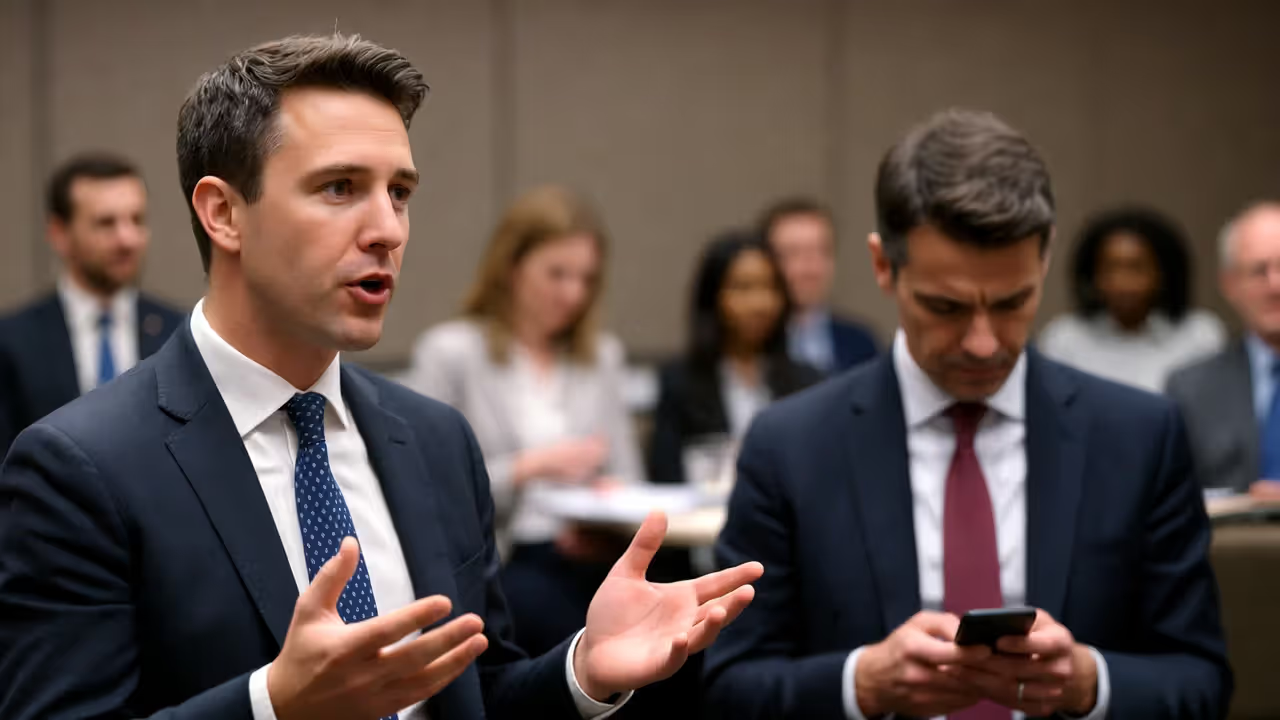
Scanning the room while they're talking. Your eyes dart around hunting for someone "more valuable." This broadcasts disrespect louder than anything you say. The fix: Commit to five full minutes of attention. If you genuinely need to leave after that, use a graceful transition from the framework above.
Dominating airtime. You're talking eighty percent of the time. Nervous people do this unconsciously. The fix: After they finish speaking, count silently to three before responding. This pause creates space for them to add more thoughts.
Treating cards like collectibles. You're playing networking Pokémon, exchanging cards without building any actual rapport. The fix: Aim for fewer, deeper conversations. Write a quick note on each card about what you discussed immediately after parting.
Staying in your comfort zone exclusively. You only talk to colleagues you already know or people who look demographically similar to you. The fix: Set a personal rule that your first three conversations must be with complete strangers.
Checking your phone during conversations. Even a quick glance signals something else matters more right now. The fix: Put your phone on complete silent (not vibrate) in your pocket or bag before entering. Check it during a bathroom break if needed.
Asking questions you don't actually care about. You're running through a mental checklist instead of being curious. People absolutely sense this. The fix: Only ask questions whose answers genuinely interest you. Three authentic questions beat ten hollow ones.
Missing obvious exit signals. They're clearly ready to move on, but you keep talking. The fix: Watch for the body language cues mentioned earlier in the framework. When you spot them, be the one who initiates the graceful exit.
Author: Madison Cole;
Source: isnvenice.com
Communication Strategies for Different Event Formats
Different event types demand adjusted approaches. Here's what succeeds where:
| Event Type | Best Conversation Starters | Typical Duration | Body Language Tips | Follow-Up Strategy |
| Conference sessions | "What's your biggest takeaway so far?" or "Planning to actually implement any of this?" | 5-8 minutes | Position yourself near exits or coffee stations; open stance signals approachability | Email within 48 hours referencing specific session content you both heard |
| Trade show booths | "What problem does your product solve?" or "How does this compare to what Company X offers?" | 3-5 minutes | Respect that booth staff are working; step aside when others approach | LinkedIn connection with note about specific product feature you discussed |
| Cocktail receptions | "How do you know the host?" or comment about venue/food | 7-12 minutes | Hold drink in left hand keeping right hand free for handshakes; maintain comfortable distance | Personalized follow-up within one week mentioning your shared connection |
| Speed networking | Skip pleasantries, jump to "What are you focused on right now?" | 2-3 minutes (structured) | Lean in slightly showing engagement; don't stress about depth given time constraints | Quick next-day email—speed format justifies brief follow-up |
| Virtual events | "Where are you joining from today?" or "How's your tech setup working?" | 4-6 minutes | Look at camera when speaking, not screen; ensure good lighting on your face | LinkedIn request mentioning the specific virtual event by name |
The biggest mistake across formats? Using identical approaches everywhere. Trade show booth staff are working—respect efficiency. Cocktail receptions allow more wandering discussion. Matching your approach to the format demonstrates social awareness.
Within the first seven seconds of meeting, people form eleven impressions of you. But here's what most people miss—those impressions aren't based on your words. They're based on body language, facial expressions, and whether you seem genuinely interested in the other person. The most successful networkers I've studied aren't the most talkative people in the room. They're the most present.
— Dr. Carol Kinsey Goman
Frequently Asked Questions About Starting Event Conversations
Mastering how to start conversations at events shifts from overwhelming to manageable once you reframe what success actually means. You're not trying to charm every person or deliver flawless opening lines. You're creating opportunities for genuine professional connection around shared interests.
The techniques here—situation-specific openers, the three-step conversation framework, format-specific strategies—give you practical tools. But the real transformation happens when you stop treating networking as theater and start treating it as collaborative exploration. You're both figuring out if staying connected creates mutual value.
Start small at your next event. Set a goal of three quality conversations. Use one situation-based opener. Practice one graceful exit. Notice what works and what feels forced, then adjust for next time. Your networking confidence builds with each event you attend—it compounds.
Those people who seem effortlessly skilled at working a room? They've simply had more repetitions and learned through experience that most fears never materialize. That person standing alone actually wants conversation. Groups usually welcome new people. Conversations that fizzle aren't devastating failures. And the connections that do click often create opportunities you couldn't have predicted beforehand.
Show up, stay genuinely curious, and remember that everyone else is also wondering how to start conversations at events effectively. Being the person who makes it easier for others to connect is the ultimate competitive advantage in any room.