

A clear timeline turns chaos into control.
Event Planning Checklist

Content
Here's what happens when you wing it: Three hours before your gala, you realize nobody ordered tablecloths. Your caterer thought you were handling rentals. Your rental company never got the message. Now you're making emergency calls while guests are already en route.
Sound familiar? A solid event planning checklist stops these nightmares before they start. Whether you're pulling together a product launch, anniversary party, or nonprofit fundraiser, having every task mapped out means you can actually enjoy the event instead of fighting fires.
Why Most Events Fail (and How a Checklist Prevents Disaster)
Talk to anyone who's planned events professionally, and they'll tell you the same thing: about a third of all events hit major snags that nobody saw coming. Except they should have.
We're talking about vendors who never confirmed, permits that got filed three days late, sound systems that don't have the right cables. These problems share a common thread—somebody thought they'd remember to handle it later.
Your brain isn't built for this. Meeting Professionals International puts the typical task count between 150 and 200 per event. You're supposed to remember all that while also picking out centerpieces and debating chicken versus fish?
The financial hit is real. Corporate planners surveyed in 2022 reported that preventable screw-ups cost them around $12,000 per event on average. That's rush delivery fees, swapping vendors at the last second, and dealing with the reputation damage when things visibly fall apart. One missing permit shuts down your outdoor event entirely. A miscalculation about electrical requirements leaves your AV team running extension cords across walkways while hundreds of people watch.
Checklists close the gap between what you think is handled and reality. They create accountability, make delegation possible, and give your team something concrete to reference when there's confusion about who was supposed to order those name badges.
Building Your Event Timeline: 12 Months to 1 Week Out
Smart timeline planning starts at the finish line and works backward. Your event begins at a specific date and time—everything else flows from that non-negotiable moment.
Big productions—think conferences, galas, weddings with 200+ guests—typically need a year to 18 months of runway. Mid-sized gatherings like workshops, company holiday parties, or product launches work with four to six months. Smaller events can pull together in six to eight weeks, but expect to pay extra for everything and accept whatever's available instead of what you actually want.
Here's what most people don't realize: desirable venues fill their calendars 12-18 months out, especially for peak season dates. Reputable caterers want at least three to four months notice. Custom printing takes six to eight weeks minimum. Rush everything and you're looking at 20-40% premiums across the board.
| Time Phase | Venue Tasks | Vendor Tasks | Marketing Tasks | Logistics Tasks |
| 12 months before | Tour potential spaces; hammer out contract terms | Research caterers, tech companies, photographers | Develop your concept and visual identity | Draft initial budget; assemble planning team |
| 6 months before | Sign venue agreement; verify insurance needs | Lock in primary vendors; review service details | Send save-the-date announcements; launch event site | Block hotel rooms; arrange shuttles or transit |
| 3 months before | Nail down load-in/load-out windows; approve floor plans | Submit deposit payments; schedule vendor coordination calls | Start registration; kick off social campaigns | Order banners and printed collateral; lock agenda |
| 1 month before | Walk the site one more time; discuss emergency protocols | Give headcount updates; double-check delivery windows | Email reminders; close registration if needed | Assemble attendee packets; train staff and volunteers |
| 1 week before | Share setup diagrams; coordinate building access | Reconfirm every single vendor; verify equipment specs | Final social push; prep day-of messaging | Pack emergency supplies; print all final documents |
| Day of event | Preview space at setup time; fix immediate issues | Meet vendors on arrival; oversee installation | Watch social mentions; handle media questions | Run the show; solve problems in real-time |
Miss these deadlines and watch things crumble: venue deposits (lose your space entirely), vendor contracts (they'll book another client), permit submissions (government offices don't care about your emergency), and invitation mailings (people need advance notice to clear their calendars).
Always build cushions into your timeline. Printer promises three weeks? Tell your team four. Caterer wants final numbers five days out? Give yourself seven. These buffers absorb inevitable delays without triggering panic mode.
Venue Coordination Essentials: Questions to Ask Before You Book
Author: Nathan Brook;
Source: isnvenice.com
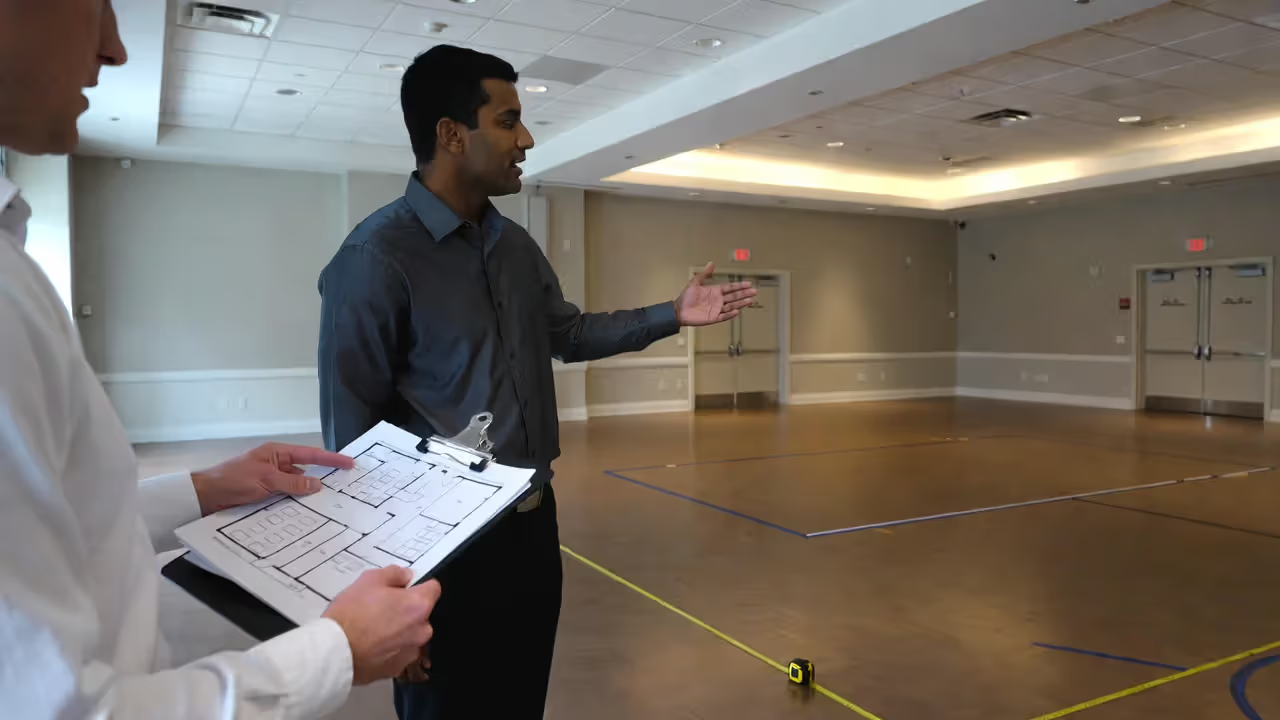
Most planners tour spaces with stars in their eyes, focused on aesthetics while ignoring operational reality. That stunning ballroom with the vintage chandeliers? The electrical system might date back to the Reagan administration and can't support modern lighting rigs.
Show up to site visits with your checklist and ask uncomfortable questions. What's Plan B if the AC dies during a July event? Where exactly do caterers unload, and will they be hauling equipment up three flights of stairs? Can the kitchen actually handle gluten-free, vegan, and kosher requirements, or is that wishful thinking? How many restrooms serve your event space, and do they all meet accessibility standards?
Watch for contract red flags: vague cancellation policies, surprise fees buried in fine print (setup charges, overtime costs, cleaning deposits), and ambiguous language about inclusions. One planner learned the hard way that "tables and chairs included" meant folding tables and plastic chairs, not the elegant rounds and chiavari chairs shown in marketing photos. Get specific quantities, brands, and specifications in writing.
Capacity figures lie constantly. A space holding 200 theater-style might only fit 120 with dining rounds. Factor in a dance floor, DJ booth, gift table, and photo backdrop, and suddenly you're at 100. Bring your floor plan sketch and physically walk through the space measuring.
Accessibility means more than a wheelchair ramp at the entrance. Think about parking costs and availability, public transit connections, whether older attendees can navigate comfortably. A beautiful venue with stairs between the main space and bathrooms creates complaints you'll hear about all evening.
Pin down noise restrictions, particularly for evening events. Plenty of venues enforce decibel limits or hard cutoff times that'll end your reception at 10 PM whether you're ready or not. Clarify whether you can bring your own vendors or must use their "preferred" partners—and whether "preferred" actually means "required with a 20% markup."
The Complete Pre-Event Organizer Workflow
Strong workflow begins with clear ownership. Assign one person to each major category: venue coordination, vendor management, attendee communications, budget oversight, and day-of execution. When everybody's responsible for everything, tasks slip through cracks until it's almost too late.
Set up a shared system—project management software or a detailed spreadsheet—that shows who owns each task, when it's due, and current status. Weekly planning sessions keep everyone aligned, but meetings should review the checklist, not try to reconstruct it from memory every time.

Author: Nathan Brook;
Source: isnvenice.com
Managing vendors requires structured communication. One point person per vendor prevents conflicting instructions. A caterer getting menu changes from three different team members will make mistakes. Set a standard check-in rhythm: initial booking, 90-day touchpoint, 30-day confirmation, one-week verification, day-of coordination.
Paper trails save you. Email confirmations become evidence when vendors insist they "never agreed to that." After phone calls, send recap messages: "Confirming our conversation—you're delivering 150 boxed lunches to the loading dock by 11:30 AM, with vegetarian options clearly labeled."
Backup planning feels pessimistic but functions like insurance. What's your move if the keynote speaker gets food poisoning? If a storm hits? If registration exceeds capacity? Having contingencies ready doesn't jinx anything—it prevents minor hiccups from becoming disasters.
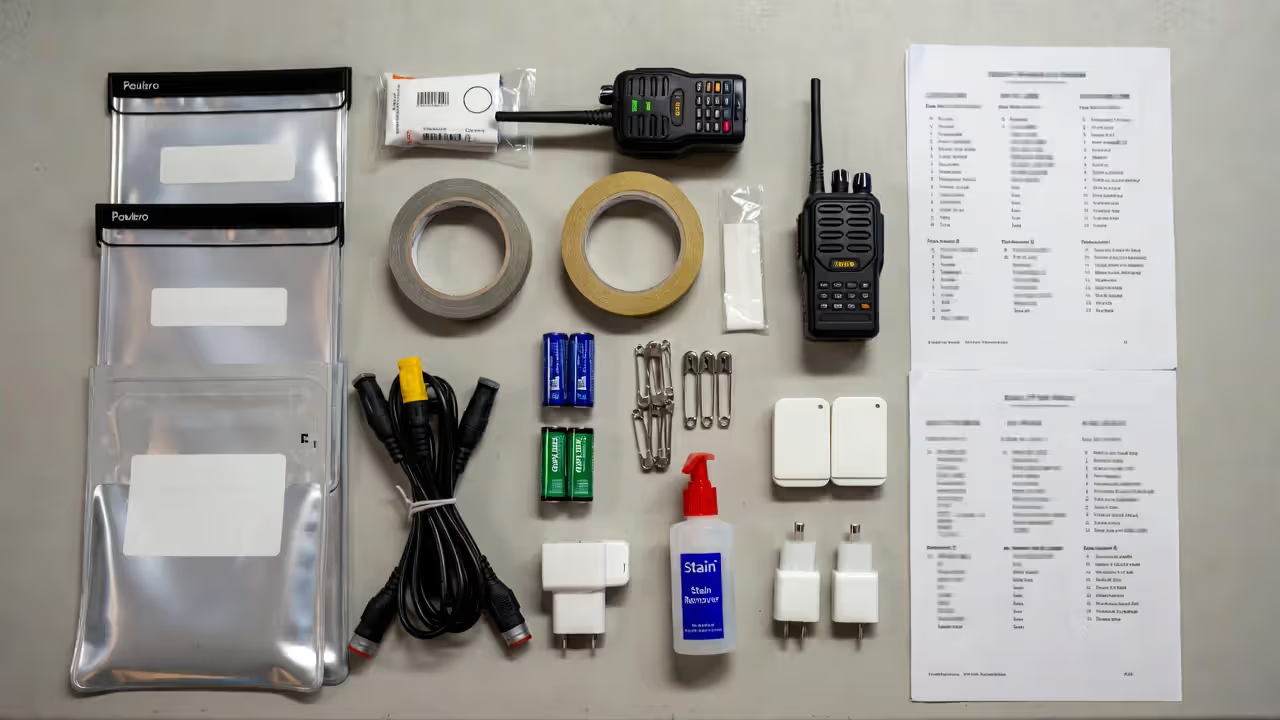
Pack an emergency kit for day-of surprises: extension cords, duct tape, safety pins, stain remover, phone chargers, pain relievers, bandages, and a basic sewing kit. You won't need everything, but you'll definitely need something, and leaving mid-event to find a hardware store is time you don't have.
The difference between amateur and professional event planning isn't creativity—it's systems. A checklist might seem boring, but it's what allows you to focus on creating memorable experiences instead of frantically solving preventable problems.
— Jennifer Martinez, CMP, Senior Event Manager, Hospitality Dynamics Group
Week-of Execution: Your Final Event Preparation Checklist
The final seven days separate planners who sleep peacefully the night before from those staring at the ceiling at 3 AM. This is when your earlier preparation either pays off or when you discover what slipped through.
Seven days out: Touch base with every vendor—confirm specific arrival times and direct contact numbers. Lock in your final headcount and communicate it to everyone providing per-person services. Print your master timeline and get copies to all team members and key vendors.
Author: Nathan Brook;
Source: isnvenice.com
Five days out: Prepare attendee materials—badges, programs, welcome kits. Create your setup diagram showing precise placement of tables, registration area, signage, and equipment. Mentally rehearse your run-of-show, spotting potential bottlenecks.
Three days out: Walk the venue one final time. Test AV equipment if you can. Confirm load-in times and verify that everyone who needs building access has proper credentials. Brief your volunteer team with specific assignments and schedules.
One day out: Pack your emergency kit and day-of essentials: all contracts, vendor contacts, timeline, floor plan, and supplies you're bringing personally. Charge every device. Actually sleep—exhausted planners make terrible split-second decisions.
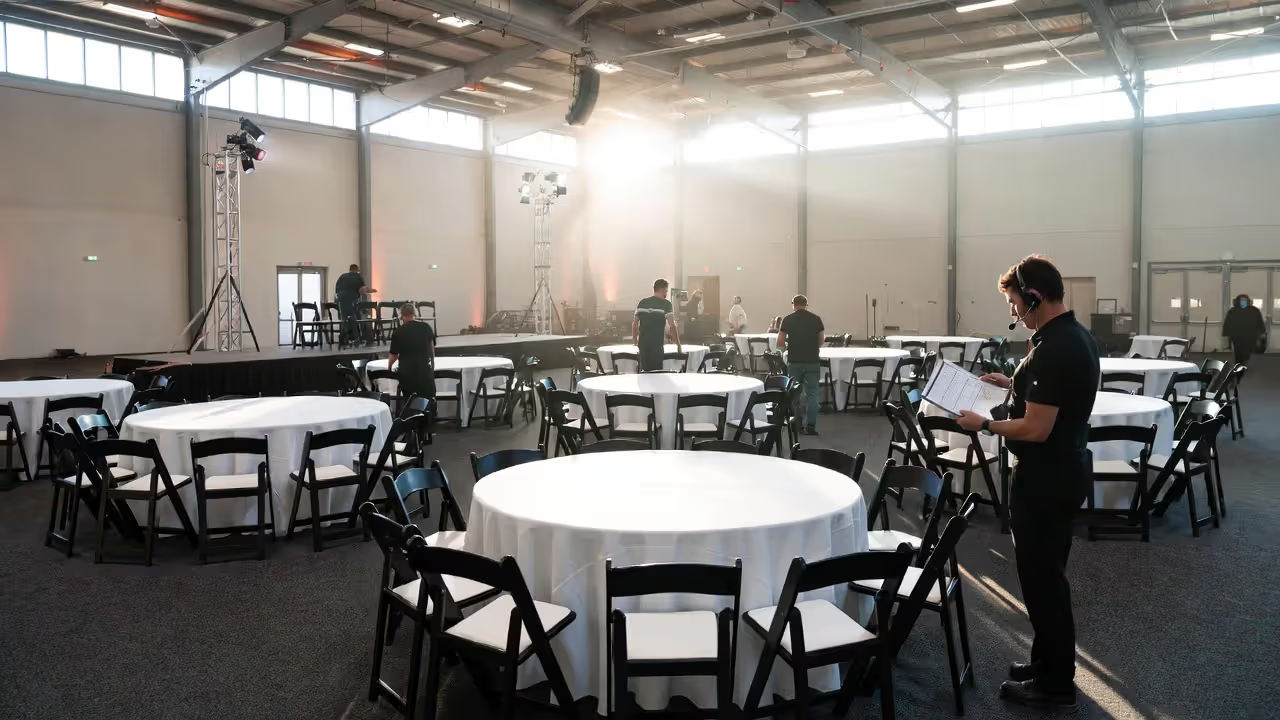
Event day: Show up early, ideally when vendors start arriving. Your timeline should break down hour by hour. Designate someone as dedicated problem-solver who isn't juggling other responsibilities, so issues get handled without derailing the main schedule.
Author: Nathan Brook;
Source: isnvenice.com
Expect these last-minute curveballs: vendors running late (build 30-minute setup buffers), missing items (that's what the emergency kit handles), and technology failures (always have backup plans for critical tech). Stay calm. Guests rarely notice problems you fix quickly; they absolutely notice frazzled organizers.
Post-Event Wrap-Up Tasks You Shouldn't Skip
Your event doesn't end when the last guest walks out. Professional workflows include thorough post-event processes that build future success.
Within two days, handle vendor payments per your contracts. Send thank-you notes to speakers, sponsors, and key volunteers while everything's fresh. These relationships matter for future events, and timely appreciation builds real goodwill.
Follow up with attendees within seven days. Send thank-you messages with promised resources—slide decks, recordings, resource lists. Include a short survey (under ten questions) to capture feedback while memories are clear. Consider offering incentives if response rates matter.
Measuring ROI depends on your goals. Corporate events might track leads generated, deals closed, or employee engagement scores. Fundraisers need dollars raised versus expenses. Community events might count attendance and press coverage. Define success metrics beforehand so you know what data to collect.

Author: Nathan Brook;
Source: isnvenice.com
Get your planning team together within two weeks for a debrief. Discuss what worked, what flopped, and what you'd change next time. Document these insights in your checklist system for future reference. The best planners maintain "lessons learned" files that get smarter with each event.
Reconcile your finances even when nobody's demanding it. Look at actual spending versus your budget category by category. Which areas went over? Which came in under? These patterns inform smarter budgeting next time.
Frequently Asked Questions About Event Planning
Checklist systems replace guesswork with repeatable processes. They transform overwhelming projects into manageable task sequences, each with clear ownership and deadlines. The gap between events that appear effortless and those that barely survive often comes down to invisible preparation work.
Begin building your checklist today, even with months before your event. Adapt these timelines and workflows to your specific situation—weddings need different details than conferences, but the systematic approach stays constant. Document your process along the way, creating a resource that strengthens with each event you execute.
The most consistently successful event planners aren't necessarily the most creative or well-connected people in the room. They're the ones who trust their systems enough to focus energy where it matters most: creating experiences people remember long after they've forgotten whether the napkins perfectly matched the tablecloths.