
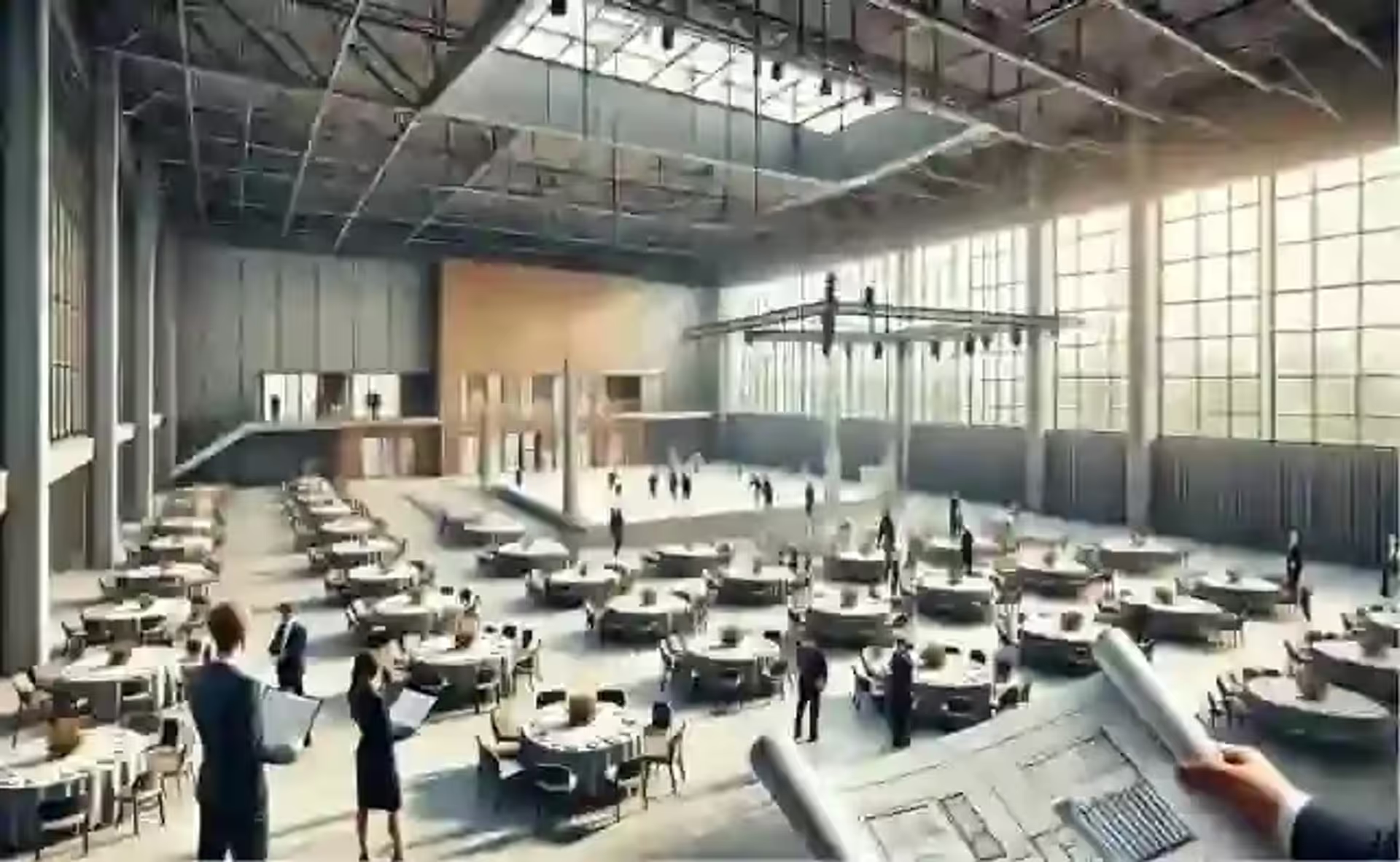
How to Choose the Right Venue for Your Event’s Vision
Event Venue Selection Guide

Content
Selecting the perfect venue is a cornerstone of successful event planning. The venue is more than just a physical space; it's the canvas upon which your event's vision is brought to life. Whether you're organizing a corporate conference, an elegant wedding, or a community gathering, the right venue sets the tone, enhances the experience, and ensures seamless execution. In this comprehensive guide, we delve into the art and science of venue selection, offering insights and strategies to help you make the best decision for your event's unique requirements. The venue you choose will influence everything from attendee engagement and logistical ease to budget considerations and overall satisfaction, making it one of the most consequential decisions in the entire planning process. Understanding the multifaceted nature of venue selection—balancing practical requirements with aesthetic aspirations, guest comfort with financial constraints, and functional needs with experiential goals—is essential for creating events that not only meet expectations but exceed them in memorable ways.
Understanding Your Event's Vision and Objectives
Before exploring potential venues, it's essential to have a clear understanding of your event's purpose and goals. A successful event starts with a well-defined vision that guides every aspect of planning, including venue selection. Is your event focused on networking, education, celebration, or community building? Understanding the primary objectives will help you determine the type of space and features required to achieve your goals. This foundational work cannot be skipped or rushed, as it provides the framework for all subsequent decisions and ensures that your venue choice supports rather than contradicts your event's core purpose. Event planning professionals consistently emphasize that clarity of vision at the outset prevents costly mistakes and misalignments later in the planning process, when changes become more difficult and expensive to implement.
For instance, a corporate workshop aimed at fostering collaboration among professionals might require a venue with breakout rooms, advanced technology infrastructure including high-speed internet and video conferencing capabilities, and a professional ambiance that signals the seriousness and value of the content being shared. The space should facilitate both large group presentations and small group discussions, with flexible furniture arrangements that can be reconfigured as needed throughout the day. On the other hand, a social gathering such as a birthday party might prioritize a cozy and intimate setting with warm lighting that creates flattering photographs, creative decor options that allow for personalization, and perhaps outdoor access for guests who prefer fresh air or smokers who need designated areas. The contrast between these two event types illustrates how dramatically venue requirements can vary based on purpose, and why understanding your specific goals is the essential first step in the selection process.
Audience demographics and preferences also play a significant role in shaping your venue selection, often in ways that aren't immediately obvious but become critical as events unfold. Consider factors such as the size of your guest list—not just the raw number but the density that will create the right energy level for your specific event type. Accessibility needs must be thoroughly evaluated, going beyond basic ADA compliance to consider things like proximity to public transportation for urban events, parking availability for suburban or rural venues, and even childcare facilities for events where parents might need support in order to attend. Attendee expectations vary dramatically based on industry, age group, cultural background, and the nature of their relationship to the event, making it essential to deeply understand your specific audience rather than relying on generic assumptions. A venue that resonates with your target audience and reflects the event's theme will leave a lasting impression and enhance overall satisfaction, while a mismatch between venue and audience can create discomfort or confusion that undermines even excellent content or programming. Market research on event preferences shows that venue choice significantly influences attendance decisions, with potential attendees often making snap judgments about an event's quality and relevance based solely on where it's being held.
Evaluating Venue Types: Matching Style with Functionality
The type of venue you choose speaks volumes about your event's style and purpose, communicating messages about formality, values, and priorities before guests even enter the space. From grand ballrooms in historic hotels and modern conference centers with cutting-edge technology to outdoor gardens that embrace natural beauty and boutique event spaces that offer unique character, the options are endless and each carries its own connotations. Each venue type has its own advantages and is suited for specific event styles, with some venues offering versatility while others excel at particular event formats. Understanding these nuances can help you narrow down your options and make an informed decision that aligns with both practical requirements and the experiential goals that will make your event memorable rather than merely functional.
Corporate Venues
For conferences, seminars, and business meetings, professional venues such as hotels, convention centers, and coworking spaces are often the go-to choice, offering reliability, appropriate aesthetics, and the infrastructure that business events require. These venues typically offer essential amenities such as state-of-the-art AV equipment including projectors, sound systems, and video conferencing capabilities, high-speed internet with bandwidth sufficient for dozens or hundreds of simultaneous users, and comprehensive catering services that can accommodate various dietary requirements and meal timing preferences. Hotels are particularly popular for multi-day conferences as they offer on-site accommodations that simplify logistics for out-of-town attendees, while convention centers provide the massive square footage necessary for trade shows or large conferences with multiple concurrent sessions. Convention center directories provide searchable databases of facilities worldwide, helping planners find appropriate spaces for their specific needs.
Customizing these spaces with branded decor and signage can further elevate the corporate experience, transforming generic professional spaces into environments that reinforce your organization's identity and the event's specific messaging. Consider elements like custom stage backdrops featuring company logos or event themes, directional signage that makes navigation effortless while reinforcing brand colors and fonts, branded materials at each seat or in registration areas, and lighting design that creates the appropriate mood—energetic and bright for innovation summits, warm and focused for leadership retreats, or dramatic and inspiring for award ceremonies. Corporate event design resources showcase how strategic venue customization transforms standard spaces into memorable brand experiences that extend far beyond the event itself through photographs shared on social media and in attendee memories.
Social Venues
Social events, such as weddings, anniversaries, and milestone celebrations, thrive in venues with character and charm that provide not just functional space but emotional resonance and aesthetic beauty. Rustic barns with exposed beams and pastoral surroundings create warm, authentic atmospheres perfect for couples seeking unpretentious elegance, while beachfront resorts offer dramatic natural backdrops and built-in vacation experiences for destination celebrations. Urban lofts with industrial architecture, exposed brick, and dramatic windows provide blank canvases for creative decor while signaling contemporary style, and historic mansions or estates offer timeless elegance and architectural distinction that makes guests feel they're participating in something special rather than just another party. These unique backdrops set the mood and create memorable photo opportunities that extend the event's impact long after it concludes, as guests share images on social media and revisit albums in years to come.
When choosing a social venue, consider elements such as ambiance—does the space naturally evoke the feelings you want guests to experience, or will significant intervention be required to create the desired mood? Decor options matter significantly, with some venues offering in-house design services or preferred vendor relationships while others provide empty spaces requiring you to source and coordinate all decorative elements independently. The availability of outdoor spaces can be crucial for social events, providing ceremony locations for weddings, cocktail areas that allow guests to mingle in fresh air, or simply backup options if indoor spaces feel crowded. Weather contingency planning becomes essential for venues relying heavily on outdoor areas, requiring clear understanding of what alternatives exist if conditions don't cooperate. Wedding venue marketplaces and social event spaces provide extensive listings with photographs, pricing information, and reviews from past clients, helping planners assess whether a venue's character aligns with their vision.
Hybrid Venues
In today's era of virtual and in-person gatherings, hybrid venues have gained popularity as organizations recognize that many events benefit from accommodating both physical and remote participants simultaneously. These spaces are equipped with state-of-the-art technology to accommodate both physical and virtual attendees seamlessly, including professional-grade cameras strategically positioned to capture speakers and audiences, robust internet infrastructure with redundant connections to prevent embarrassing technical failures, mixing boards that balance in-room and virtual audio, and often dedicated technical staff who manage the technology so presenters can focus on content rather than troubleshooting. Hybrid venues are ideal for events with diverse audiences—some who can travel to the venue and others who participate remotely due to geographic, financial, health, or scheduling constraints—ensuring inclusivity and accessibility while maximizing attendance.
The rise of hybrid events reflects broader changes in how people work and gather, with virtual event platforms and hybrid event technology becoming standard rather than emergency alternatives. When evaluating hybrid venues, ask detailed questions about technical capabilities, support staff availability, and track record with similar events. Request demonstrations of the technology rather than simply accepting verbal assurances, and understand what backup systems exist if primary technology fails. Consider also how the physical space is designed to accommodate cameras and equipment without creating obstructions or awkward sightlines for in-person attendees. The best hybrid venues are purpose-built or thoughtfully retrofitted to serve both audiences excellently rather than compromising one experience for the other, with some venues offering tiered seating that ensures cameras capture engaged faces rather than the backs of heads, and acoustic design that allows remote participants to hear questions and comments from in-room attendees.
Location Matters: Convenience and Accessibility

Author: Lucas Hayes;
Source: isnvenice.com
The venue's location is a critical factor that can significantly impact attendance and overall success, often making the difference between an event that feels effortless to attend and one that creates friction and resistance. A conveniently located venue with easy access to transportation hubs including airports, train stations, and major highways, accommodations ranging from budget to luxury to suit different attendee circumstances, and parking facilities that are both sufficient in capacity and affordable or complimentary reduces friction for attendees and enhances their experience by eliminating stress and logistical complications. For local events, choosing a venue within close proximity to the majority of participants minimizes travel time and encourages higher turnout, particularly for evening events when people are making decisions about whether to attend after work or return home instead. Transportation accessibility mapping allows planners to analyze drive times and public transit options from various starting points, ensuring the venue is genuinely accessible to your target audience.
For destination events, the location becomes an integral part of the experience rather than just a practical consideration, with the venue's setting contributing to the event's appeal and justifying the travel required to attend. Selecting a venue in a picturesque setting, such as a vineyard offering wine tasting and pastoral views, a beachfront property where the ocean provides constant dramatic backdrop, or a historic landmark that adds cultural significance and architectural beauty, adds an extra layer of allure and excitement that can make attendance feel like a privilege rather than an obligation. However, it's essential to provide attendees with detailed information about travel logistics including recommended flights or driving routes, nearby accommodations at various price points with negotiated group rates when possible, and local attractions they might enjoy before or after the event, ensuring a smooth experience that allows them to focus on the event itself rather than struggling with unfamiliar surroundings. Destination event resources offer planning tools and local expertise that help organizers create seamless experiences in unfamiliar locations.
Accessibility considerations should also be at the forefront of venue selection, not as an afterthought or box to check but as a fundamental requirement reflecting your values and commitment to inclusion. Ensure that the venue is compliant with ADA (Americans with Disabilities Act) regulations and offers features such as ramps with appropriate gradients at all entrances, elevators that accommodate wheelchairs and are clearly signed, accessible restrooms that meet size and equipment requirements, and designated accessible parking near entrances. But accessibility extends beyond physical mobility to include considerations like hearing loops or captioning services for attendees with hearing impairments, materials available in alternative formats for those with visual impairments, sensory-friendly spaces for individuals who become overwhelmed by noise or crowds, and dietary accommodations that go beyond generic options to address religious restrictions and medical needs. Creating an inclusive environment demonstrates your commitment to attendee comfort and ensures that everyone can participate fully rather than feeling like an accommodation or afterthought. Venues that prioritize accessibility often display this commitment prominently, while those requiring extensive questioning to understand accessibility features may indicate that inclusion isn't central to their operations.
Capacity and Layout: Ensuring a Perfect Fit
One of the first questions to ask when evaluating a venue is, "Does it accommodate my guest list comfortably?" Choosing a venue that aligns with your expected attendance is crucial for both practicality and ambiance, as capacity affects everything from legal safety limits to the energy level and intimacy of your event. An overly large venue can make an event feel sparse and disconnected, with excessive empty space creating acoustic challenges, making it difficult for attendees to find each other and connect, and generally communicating that the event hasn't met expectations regardless of the actual quality of programming or content. Conversely, a space that's too small can lead to overcrowding and discomfort, fire code violations, insufficient seating or standing room, competition for food and beverages, and generally creating the impression of poor planning even if all other aspects are excellent. Event capacity calculators help planners determine appropriate venue sizes based on expected attendance and event format, accounting for differences between seated dinners, standing receptions, and theater-style presentations.
Beyond raw capacity numbers, consider the venue's layout and flow, which determine how people move through the space, how different functional areas relate to each other, and whether the space naturally facilitates your event's programming or works against it. A well-designed space should facilitate movement and interaction, with designated areas for different activities that are clearly defined yet easily accessible from each other, allowing attendees to transition smoothly between different portions of your program. For example, a corporate conference might require separate zones for keynote speeches delivered to the full group in a theater-style or auditorium setting, breakout sessions where smaller groups dive deeper into specific topics in more intimate spaces, and networking areas with comfortable seating and perhaps refreshments where informal conversations can occur. Social events, such as weddings, benefit from layouts that include a ceremony space with appropriate sightlines so all guests can witness key moments, a dining area where tables are positioned to allow both conversation within groups and movement between them, and a dance floor strategically located to create energy without overwhelming guests who prefer conversation. Reviewing the venue's floor plan in advance and conducting a thorough site visit where you physically walk through the space, imagining your event unfolding within it, can help you visualize how your event will flow and identify potential problems before they become actual problems.
Consider also how different areas of the venue relate to each other spatially and functionally. Are catering preparation areas positioned to allow efficient service without creating bottlenecks or disrupting programming? Can registration or check-in happen in a location that doesn't create congestion at entrances? Is there adequate space for coats, bags, and other personal items that guests need to store? Are restrooms sufficient for your guest count and positioned conveniently without being so close to programming spaces that sounds or queues become disruptive? These seemingly minor layout considerations accumulate to create either seamless experiences where guests never feel frustrated or confused, or problematic ones where constant small irritations detract from otherwise excellent events. Event flow design principles emphasize the importance of mapping attendee journeys through spaces, identifying potential pain points, and ensuring that physical layout supports rather than impedes your event's objectives and the experiences you want to create.
Amenities and Services: Adding Value to Your Event
The amenities and services offered by a venue can significantly impact your planning process and overall event experience, often determining whether event planning feels like a smooth collaborative process or a constant struggle to coordinate disparate vendors and manage competing interests. Many venues provide in-house services such as catering, AV equipment, and event coordination, which can streamline logistics and reduce costs by eliminating the need to source, contract, and coordinate multiple external vendors. However, some venues restrict your ability to bring outside vendors, requiring you to use their services even if you have existing relationships with preferred suppliers or specific needs their in-house options don't address. Understanding these policies and how they align with your preferences and requirements is essential before committing to a venue. When evaluating venues, inquire comprehensively about the following amenities and services, pushing beyond marketing materials to understand exactly what's included, what's available at additional cost, and what's prohibited.
Catering
Does the venue offer in-house catering with professional kitchen facilities and experienced culinary staff, or can you bring in an external vendor that you've worked with previously or that specializes in cuisine important for your event's theme or attendee demographics? If catering is in-house, are the kitchen facilities modern and well-maintained, suggesting food quality and safety will be high? Review the menu options in detail, requesting tastings before making commitments, and assess dietary accommodations to ensure they align with your event's needs—does the venue simply offer generic "vegetarian options" or can they thoughtfully address vegan, gluten-free, kosher, halal, and allergen-specific requirements? Understanding the venue's catering capabilities and limitations is crucial, as food and beverage often represent the largest line item in event budgets and have tremendous impact on attendee satisfaction. Catering service standards provide benchmarks for what constitutes excellent service, helping planners evaluate whether venue offerings meet professional standards.
Technology
Assess the availability of AV equipment including projectors with sufficient brightness for your room size and ambient light conditions, screens or display walls positioned for optimal viewing from all seating areas, sound systems with microphones appropriate for your format (handheld, lapel, podium), and lighting controls that allow you to adjust brightness and focus as programming changes. Wi-Fi connectivity is essential for modern events, so understand not just whether Wi-Fi exists but its bandwidth capacity, reliability, and whether the network can be secured if sensitive information will be discussed. Technical support staff availability is equally important—will someone knowledgeable be on-site throughout your event, or will you be dependent on troubleshooting technology yourself or waiting for off-site support to respond to emergencies? Modern events often rely on technology for presentations, live streaming to remote audiences, interactive polling that engages attendees, and social media sharing that extends events' reach, making robust technological infrastructure essential rather than optional. Event technology guides help planners understand what questions to ask and what capabilities different event formats require.
Decor and Furnishing
Some venues provide tables in various configurations (round for dining and conversation, rectangular for meeting-style discussions, or cocktail height for standing receptions), chairs in styles ranging from basic folding to elegant Chiavari, linens in multiple colors allowing coordination with your event theme, and even basic decor items like centerpieces or lighting. Understanding exactly what's included helps you budget effectively and avoid discovering late in planning that seemingly basic items require additional rental fees. Other venues provide only the empty space, requiring you to source these elements independently through rental companies, which offers complete customization freedom but requires more coordination and often increases costs. Clarify policies about decorating—can you hang items from ceilings or walls, use candles or other open flames, bring in large props or installations? Some venues restrict what can be done to protect their spaces, while others embrace creative freedom as long as you restore the space to its original condition after your event concludes. Event rental companies and decor vendors can supplement venue offerings when customization is important.
Staffing and Support
Determine whether the venue provides on-site staff, such as servers who can circulate during cocktail hours or serve plated meals, event coordinators who manage timeline and troubleshoot problems as they arise, security personnel who can manage entry and monitor for issues, and technical specialists who handle AV equipment and solve problems. Having a dedicated team on hand ensures smooth execution and allows you as the event host to focus on content and attendees rather than operational details. Understand the staffing ratios—how many servers per guest for meal service, how many bartenders per number of guests, whether coordinators manage multiple events simultaneously or dedicate themselves to yours. The quality and attentiveness of venue staff can make the difference between events that feel professionally managed and those where constant problems demand your attention. When visiting venues, observe staff interactions with other clients or events happening simultaneously, noting whether they appear organized, responsive, and genuinely committed to creating excellent experiences or simply going through motions.
Venues that offer comprehensive packages combining multiple services can simplify planning and enhance the overall experience by reducing the number of vendors you must coordinate, potentially reducing costs through bundling, and creating accountability—if something goes wrong, you have one point of contact rather than multiple vendors potentially blaming each other. However, flexibility is equally important, particularly for events with specific visions or unique requirements. Venues that allow customization and collaboration with external vendors give you the freedom to bring your unique vision to life rather than accepting whatever standard packages offer. The ideal venue strikes a balance, providing excellent in-house services that simplify logistics while remaining flexible enough to accommodate special requests and external vendors when they genuinely add value to the event experience.
Budgeting and Negotiation: Balancing Quality and Affordability

Author: Lucas Hayes;
Source: isnvenice.com
While the venue is often one of the most significant expenses in event planning, typically consuming 25-50% of total budgets depending on what's included, it's essential to balance quality and affordability to ensure you're getting value rather than simply accepting high prices because venues have become accustomed to charging them. Establish a clear budget early in the planning process, ideally before beginning serious venue research, and allocate a realistic portion to the venue based on your event's total available resources and competing priorities. Remember to account for additional costs beyond the base venue fee, such as taxes that can add 10% or more to quoted prices, service fees or gratuities that venues may add automatically, deposits required to secure the space, insurance requirements that some venues mandate, overtime charges if your event runs beyond scheduled end times, and costs for any add-on services like upgraded AV, extended bar service, or additional staffing. Event budgeting templates help planners account for all cost categories and avoid budget-breaking surprises.
When negotiating with venues, be transparent about your budget constraints rather than playing games or trying to bluff, as venue managers appreciate honesty and are more likely to work creatively with clients they trust. Explore options for cost-saving measures that don't compromise your event's core experience. For example, hosting your event during off-peak seasons when venues have lighter calendars—winter months for outdoor venues, summer for convention centers whose business comes from corporate events happening during the work year—can often result in discounted rates of 20-40% compared to peak periods. Similarly, weekday events typically cost less than weekend bookings, though this savings must be weighed against potentially lower attendance if your audience consists of people with traditional Monday-Friday work schedules. Additionally, inquire about package deals and bundled services that offer better value than selecting each element à la carte, with some venues offering significant savings when you commit to using their catering, AV, and coordination services together rather than bringing in outside vendors for some elements.
Always read the venue contract carefully before signing, reviewing terms such as cancellation policies that determine what happens if you must cancel or postpone the event due to unforeseen circumstances, overtime charges that kick in if your event runs beyond scheduled times, liability coverage requirements specifying insurance you must carry and whether the venue indemnifies you against certain risks, deposit schedules determining when payments are due, damage policies that could result in unexpected charges if guests damage venue property, vendor restrictions that might prevent you from using preferred suppliers, and guaranteed minimums requiring you to spend certain amounts on food and beverage regardless of actual consumption. Request modifications to unfavorable terms before signing rather than assuming contracts are non-negotiable—many provisions can be adjusted through discussion, and venues prefer negotiating terms upfront to dealing with disputes later. A clear understanding of the financial agreement ensures that there are no surprises down the line that blow up your budget or create disputes between you and the venue. Contract review resources help non-lawyers understand legal documents and identify potential problems before they become actual ones.
The Role of Event Planners: Expert Guidance and Insights
Navigating the complexities of venue selection can be overwhelming, especially for large-scale or high-stakes events where mistakes carry significant consequences, for first-time organizers unfamiliar with the process, or for busy professionals who lack time to research options thoroughly and negotiate with multiple venues. Enlisting the expertise of a professional event planner can provide valuable guidance and streamline the process, transforming venue selection from a daunting challenge into a collaborative journey with an expert guide who knows the territory. Event planners have extensive networks and industry knowledge built through years of experience, allowing them to recommend venues that align with your vision and budget, including options you might never discover independently. They know which venues are reliable, which overpromise and underdeliver, which offer genuine value, and which to avoid despite attractive marketing materials.
Planners can also negotiate on your behalf, leveraging established relationships and understanding of industry norms to ensure you get the best possible terms and amenities, often securing concessions or upgrades that venues wouldn't offer to individual clients. Their experience in managing logistics means they know what questions to ask, what problems to anticipate, and what details matter, coordinating with vendors to ensure all elements work together seamlessly, and troubleshooting challenges efficiently when unexpected problems inevitably arise. This experience ensures that your event runs smoothly from start to finish, with the planner managing crises behind the scenes so attendees experience only the polished final product. Collaborating with an event planner allows you to focus on the creative aspects of your vision and the strategic goals the event serves while leaving the operational details in capable hands that have managed similar situations dozens or hundreds of times before.
The value of professional event planning extends beyond the immediate event to include risk management and crisis prevention. Experienced planners know how to evaluate venues for potential problems—acoustics that might not work for your format, sight lines that could leave some attendees unable to see presentations, kitchen facilities insufficient for your guest count, or historical reliability issues. They can identify red flags in contracts, anticipate logistical challenges, and create contingency plans for various scenarios. For organizations hosting regular events, developing relationships with skilled planners creates consistency and institutional knowledge, with planners learning organizational preferences and requirements that allow them to work more efficiently with each subsequent event. Event planning associations provide directories of certified professionals and resources for evaluating planners' credentials and experience.
Enhancing Networking Opportunities Through Venue Design
For events focused on fostering connections, such as corporate mixers, industry conferences, professional association meetings, or community building gatherings, the venue plays a pivotal role in facilitating networking by either creating spaces and circumstances that naturally encourage interaction or inadvertently creating barriers that keep people isolated despite being in the same physical space. Design the space to encourage interaction and engagement, with features such as lounge areas featuring comfortable seating arrangements that promote casual conversations and connections, positioned away from main programming spaces so conversations don't disrupt presentations but close enough that people can easily transition between networking and content. The furniture arrangement matters significantly—small clusters of seating encourage intimate conversations, while long rows lecture-style create barriers to interaction. Consider height variation with some seating and some standing space, as people often feel more energized and engaged when they can move between postures.
Networking zones represent designated areas specifically intended to facilitate connections, equipped with elements like name tags featuring not just names but conversation starters such as organization names, professional roles, or even fun facts, icebreaker activities or conversation prompts posted on walls or table tents that give people topics to discuss beyond weather and traffic, and perhaps facilitators or hosts whose explicit role is introducing people who share interests or could provide mutual value. These structured networking elements reduce the anxiety many people feel about initiating conversations with strangers, providing socially acceptable openings that make networking feel easier and more natural. Interactive installations such as photo booths where people gather and share an activity, product showcases or demonstrations that provide natural conversation topics, or digital displays showing live social media feeds or collaborative word clouds create shared experiences and talking points that make initiating conversations feel more natural than approaching strangers cold. Networking event design guides provide creative ideas for creating connection opportunities that feel organic rather than forced.
Technology can further enhance networking opportunities beyond what physical space alone enables. Event apps with features like attendee matchmaking based on shared interests or complementary business needs, schedule coordination allowing attendees to plan meetings during breaks or meals, and contact sharing that facilitates follow-up without the awkward business card exchange process create seamless interactions and extend networking beyond the event itself. Some advanced platforms use AI to suggest connections, analyze attendee preferences to recommend sessions or exhibitors they should visit, and even facilitate virtual networking for hybrid events. Push notifications can alert attendees to networking opportunities—"Three other people interested in blockchain are in the lounge" or "Your suggested connection just checked in"—creating timely opportunities that might otherwise be missed. By prioritizing networking in your venue design and technology selection, you create an environment where meaningful connections thrive rather than leaving networking to chance and hoping it happens organically.
Sustainability and Ethical Considerations in Venue Selection
The growing awareness of environmental and social responsibility is influencing venue selection decisions, with many organizations prioritizing sustainable event practices that minimize environmental impact and support ethical labor practices. When evaluating venues, consider their sustainability credentials and practices. Does the venue have environmental certifications such as LEED certification for buildings meeting green building standards, Green Key certification for hotels prioritizing sustainability, or membership in organizations promoting sustainable practices? These certifications indicate genuine commitment rather than superficial greenwashing, as they require meeting specific criteria and undergoing third-party verification.
Examine the venue's specific practices around waste management—do they offer recycling and composting programs, or does everything go to landfills? Energy efficiency matters, with modern lighting, HVAC systems, and appliances dramatically reducing environmental impact compared to older inefficient infrastructure. Water conservation practices including low-flow fixtures and water recycling systems demonstrate environmental consciousness. Food sourcing policies significantly impact sustainability, with venues prioritizing local, organic, and seasonal ingredients supporting sustainable agriculture while reducing transportation emissions. Some venues maintain on-site gardens or source from nearby farms, creating farm-to-table experiences that are both environmentally friendly and appealing to attendees.
Ethical labor practices also deserve consideration. Does the venue pay fair wages and provide good working conditions for its staff? Organizations increasingly recognize that events shouldn't come at the cost of worker exploitation, and selecting venues that treat employees well aligns with corporate social responsibility values. Ask about staff turnover rates, employee satisfaction, and whether the venue provides benefits and opportunities for advancement. Some venues are worker-owned cooperatives or social enterprises that explicitly prioritize ethical employment as part of their mission. By choosing venues demonstrating environmental and social responsibility, you align your event with values that increasingly matter to attendees and stakeholders while contributing to positive industry-wide change. Sustainable event certifications provide frameworks for evaluating and implementing sustainable practices comprehensively.
Creating Memorable Experiences: The Final Touches
Ultimately, the goal of venue selection is to create an unforgettable experience that resonates with attendees long after the event concludes, generating positive memories, social media sharing, and word-of-mouth recommendations that amplify your event's impact. Pay attention to the finer details that enhance the ambiance and leave a lasting impression beyond whatever formal programming or content you're delivering. Personalized touches, such as branded decor that reinforces your organization's identity or the event's theme, themed lighting that creates mood and transforms spaces dramatically, and curated music that fills silence without overwhelming conversation, add depth and character to the event. Consider how sensory elements beyond visual aesthetics contribute to the overall experience—signature scents through strategically placed candles or diffusers can create powerful memory associations, temperature control ensuring comfort without guests feeling too hot or cold, and acoustic management so conversations are easy without shouting while presentations are clearly audible.
Incorporating interactive elements, such as live entertainment that engages audiences rather than serving as mere background, workshops or demonstrations where attendees learn skills or create something tangible to take home, or experiential activities that surprise and delight, keeps attendees engaged and excited while creating shareable moments that extend your event's reach through social media. Visual and sensory elements ranging from floral arrangements that beautify spaces while potentially incorporating symbolic meanings or local flora, to custom cocktails or mocktails that become conversation pieces and Instagram subjects, to unexpected details like custom matches or coasters that guests pocket as mementos contribute to the overall atmosphere and create a cohesive narrative that makes the event feel thoughtfully planned rather than thrown together.
By thoughtfully selecting a venue that aligns with your event's vision, values, and audience, you set the stage for success in ways that influence every other aspect of the event experience. Every detail, from location and layout to amenities and personalization, contributes to a memorable and impactful experience that achieves your objectives while creating positive associations with your organization or brand. The venue provides the foundation—solid or shaky, enhancing or limiting, memorable or forgettable—upon which everything else is built.
— Lucas Hayes
Post-Event Venue Considerations
The relationship with your venue shouldn't end when the last guest departs. Conducting a thorough post-event debrief with venue management provides valuable feedback that benefits both parties. Share what worked well—exceptional staff performance, amenities that exceeded expectations, or problems they solved effectively—as positive feedback helps venues understand what to continue and gives recognition to deserving staff members. Also communicate constructively about challenges—issues that arose, services that fell short, or aspects that didn't meet expectations—framing feedback as opportunities for improvement rather than complaints. This dialogue helps venues improve their offerings and builds relationships that benefit future events.
Document your own lessons learned while experiences are fresh. What would you do differently regarding venue selection or setup? Were there unexpected challenges that better planning could have avoided? Did certain aspects work better or worse than anticipated? This documentation becomes invaluable for planning future events, creating institutional knowledge that prevents repeating mistakes and helps replicate successes. For organizations hosting regular events, maintaining detailed venue assessments creates a database of knowledge that informs future selections and negotiations.
Consider also the environmental impact assessment and restoration responsibilities. Ensure that the venue is restored to its original condition or better, addressing any damage that occurred during your event. If sustainability was a priority, analyze what worked—how much waste was diverted from landfills through recycling and composting, how successful efforts to minimize single-use items were, what carbon offset or mitigation strategies were effective. This analysis helps refine sustainable practices for future events and provides data that can be shared with stakeholders demonstrating your commitment to environmental responsibility. Post-event evaluation frameworks help organizations systematically assess all aspects of events including venue performance, identifying areas for improvement and celebrating successes.
Conclusion: Elevate Your Events with Expert Planning
Choosing the right venue is a critical step in bringing your event's vision to life, influencing everything from attendee satisfaction and logistical execution to budget management and the overall impression your event creates. It requires careful consideration, strategic planning, and a deep understanding of your goals and audience that goes beyond surface-level requirements to consider how all elements work together to create experiences that resonate and deliver results. By following the insights and strategies outlined in this guide—from clarifying your event vision and evaluating venue types to considering location, capacity, amenities, and budget, to thinking creatively about networking design and sustainability—you can navigate the venue selection process with confidence and create events that leave a lasting impression on attendees while achieving your organizational objectives.
For those seeking professional guidance, expert event planning services offer customized solutions that elevate every aspect of the experience, bringing expertise, creativity, and logistical capability that transforms events from functional gatherings into memorable experiences. From designing meaningful networking opportunities that help attendees make valuable connections to creating immersive environments that transport guests and reinforce messaging, event planners specialize in turning visions into reality through meticulous attention to detail and years of hard-won experience. With the right venue and a dedicated team by your side, your event is poised for success, positioned to achieve its goals while creating positive experiences that attendees remember and share, extending impact far beyond the event itself and building momentum for future gatherings.